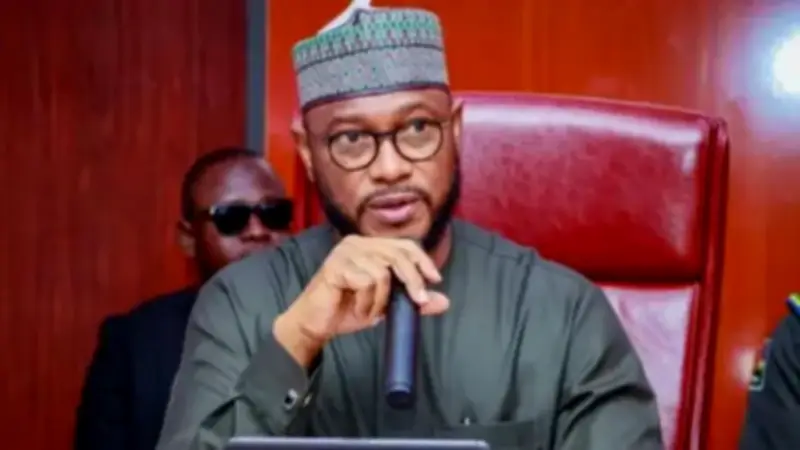
Zamfara State Governor Dauda Lawal disclosed on Thursday that he refused to pay a N300 million ransom demanded by kidnappers who abducted his brothers in 2019, stating that he deliberately chose not to negotiate with criminals to avoid fueling the growing menace of kidnapping for ransom. The governor made this revelation while speaking at the ARISE News and THISDAY Townhall Conference in Abuja, where he also renewed his call for the establishment of state police as part of broader efforts to tackle insecurity across Nigeria.
Governor's Stance on Ransom Payments
Lawal explained that his decision was rooted in the conviction that paying ransom only emboldens criminal groups to continue abducting innocent people. He recounted the ordeal, saying the kidnappers demanded N300 million for the release of his brothers, but he refused to negotiate or make any payment. “My own brothers were kidnapped in 2019, and these criminals were demanding at the time about 300 million. And I said, look, I’m not going to pay a dime. If you like, go and kill them,” he said.
Brothers Released After Three Months
Despite his refusal to pay, the kidnappers eventually released his brothers after they spent about three months in captivity. The governor maintained that his experience reinforced his belief that ransom payments only strengthen criminal networks and fuel more abductions. “By the time we continue to pay ransom to these people, we are encouraging them to be kidnapping people more and more,” he argued.
Call for State Police
During the townhall conference, Lawal also reiterated his support for the establishment of state police, which he believes is essential for tackling insecurity at the grassroots level. He stressed that his position on ransom has remained unchanged over the years, insisting that he would never negotiate with or reward criminals. “I will not negotiate, and I will not pay ransom to any criminal, no matter what happens,” he said.
Broader Implications for Security
The governor's remarks come amid widespread concerns over kidnapping for ransom in Nigeria, which has become a lucrative enterprise for criminal gangs. Lawal's stance aligns with the federal government's policy of not paying ransom, though many families and communities continue to negotiate secretly. According to data from the Nigeria Security and Civil Defence Corps, over 4,000 kidnap cases were reported in 2025, with millions of naira paid in ransoms. Lawal's refusal to pay the N300 million ransom for his brothers sets a precedent for other public officials and citizens, though critics argue that such a hardline approach could endanger the lives of victims.