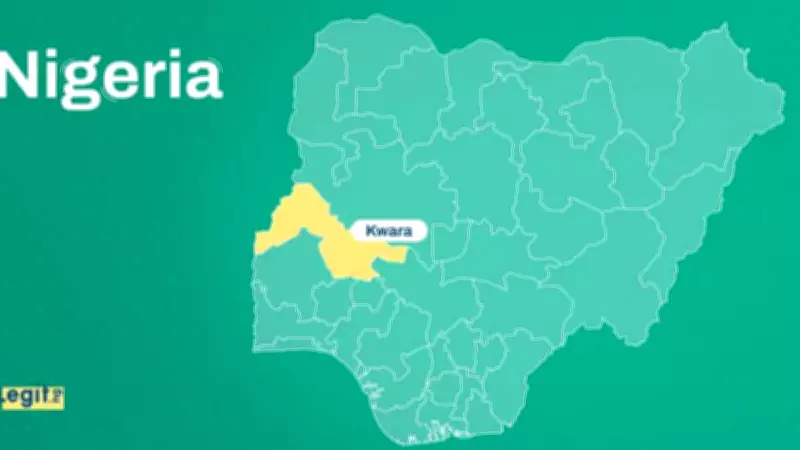
Kwara Communities Receive Ominous Warning Before Deadly Jihadist Massacre
Residents of Woro and Nuku communities in Kaiama local government area of Kwara state have provided chilling details about a warning letter sent by suspected jihadist fighters before they launched a devastating overnight attack. The assault resulted in the deaths of at least 75 people and the abduction of 38 women and children, including family members of the community head, Umar Bio Salihu.
Letter Requesting to Preach Preceded Violent Assault
According to multiple community sources who survived the attack, the assailants initially reached out to traditional leader Umar Bio Salihu seeking permission to visit the communities and preach an extremist version of Islam. The letter, which arrived before the massacre, reportedly asked for authorization to conduct religious teachings in the area. Community members unanimously rejected this request, unaware of the violent consequences that would follow.
Former teacher and Woro resident Abdulla Umar Usman told media outlets that the attackers returned with deadly force approximately one hour before sunset on Tuesday, January 3. At this critical time, most farmers were returning from their fields where they cultivate yam, maize, and millet, making them vulnerable targets. The armed men, described as numbering over 100 and wearing what appeared to be army fatigues, arrived on motorcycles and immediately began their assault.
Targeted Violence Against Community Leadership
The attackers demonstrated strategic planning by heading directly to the residence of community head Umar Bio Salihu. Two of the community head's children, who were medical students, were killed in front of the house before they set it ablaze, according to Usman's account. Salihu himself confirmed the tragic loss, stating that militants killed two of his children and abducted his wife and three other children.
Local official Mohammed Dauda described the scene as devastating, noting that the militants killed residents indiscriminately throughout their rampage. The violence extended beyond Salihu's family, with vigilante groups specifically targeted early in the assault. Residents reported that the attackers appeared to have precise knowledge of vigilante locations, resulting in approximately eight vigilante deaths after Salihu's home was burned.
Amnesty International Documents Security Failures
Human rights organization Amnesty International has documented major security lapses surrounding the attack. According to their investigation, the two communities had been receiving extremist leaflets for approximately five months prior to the massacre. These pamphlets contained messages aimed at drawing residents into jihadist ideology, yet adequate protective measures were not implemented despite these clear warnings.
Amnesty International's Nigeria director, Isa Sanusi, confirmed that troops had visited the area briefly after initial warnings but failed to prevent the eventual attack. The organization reported finding many victims with their hands and feet tied, with some shot dead and others reportedly having their throats cut. By morning, the attackers had departed with 38 abducted women and children, including members of the traditional ruler's family.
Demands to Renounce Nigerian Government
Survivors revealed that during the attack, the militants demanded that villagers renounce the Nigerian government and constitution while submitting to their extremist teachings. This represented a clear attempt to impose a parallel system of rule in the area. Community head Salihu reportedly described these demands as contrary to authentic Islamic teachings, highlighting the ideological conflict at the heart of the violence.
Federal Government Response and Attribution
The federal government has attributed the attack to Boko Haram, although the group has not issued any official statement claiming responsibility. Boko Haram, which gained global notoriety in 2014 after abducting over 200 schoolgirls from Chibok, remains active in northeastern Nigeria despite splintering over the years. Intelligence suggests that one faction, identified as Mahmuda, has expanded operations into rural parts of Kwara and neighboring Niger state.
In response to the massacre, President Bola Tinubu ordered the deployment of an army battalion to Kaiama Local Government Area on Wednesday night, February 4. The new military command will spearhead Operation Savannah Shield, designed to check terrorist activities and protect vulnerable communities in the region.
Community Recovery and Mass Burial
The Woro community conducted a mass burial for 78 victims as residents continued searching surrounding bush areas for missing persons. The attack has plunged the community into deeper mourning, with recovery efforts ongoing amid heightened security concerns. Residents noted that their communities had previously experienced raids by criminal gangs commonly called bandits, prompting the formation of vigilante groups that proved insufficient against this organized jihadist assault.
This tragic event underscores ongoing security challenges in Nigeria's rural communities and raises serious questions about early warning response systems when clear threats have been identified.