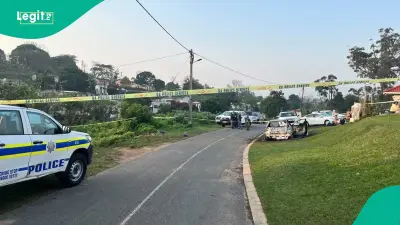
More than a week after the mass abduction of hundreds of children from a Catholic school in central Nigeria, raw emotions continue to grip the religiously diverse communities of Niger state. The incident, which occurred on November 21, saw over 300 schoolchildren taken from the remote Papiri village, casting a long shadow of fear and anger.
A Community's Anguish and Plea for Help
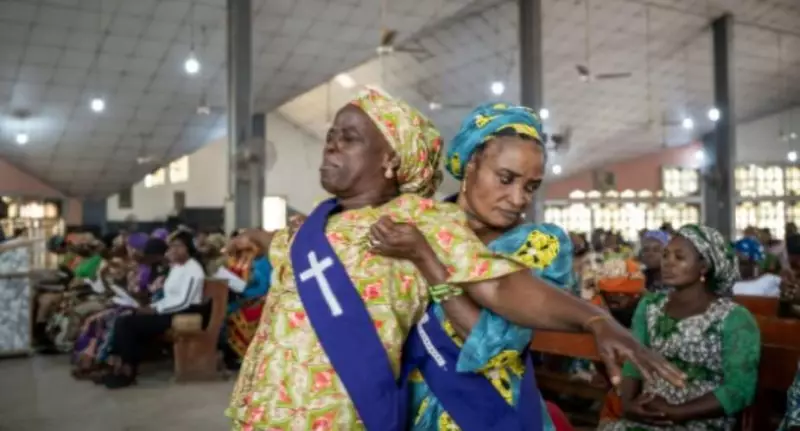
In the state capital, Minna, the pain of the kidnapping is palpable. After a Sunday mass at St Michael’s Catholic Diocese, laity president Julius Umaru voiced the growing anxiety among Christians. "Our people cannot go to the farm. Now they are carrying away our children," he stated, with hymns echoing in the background of the church grounds. He argued that while insecurity affects everyone, Christian-majority districts in the region bear a disproportionate burden of the violence.
The emotional toll was starkly visible in Papiri itself, where parents staged a protest at the deserted school. Local media captured heart-wrenching scenes of wailing parents, some rolling on the ground, holding placards that pleaded, "We want our children back." Samson Najajah, 35, whose 15-year-old son is among the captives, expressed his torment to AIT television: "I’m extremely sad thinking about how these children are being held. I can imagine the hardship they are facing, I can imagine the cold they bear."
The Complex Landscape of Insecurity and Accusations
Nigeria, Africa's most populous nation, is no stranger to kidnappings, often orchestrated by criminal gangs seeking ransom. However, the recent surge in abductions has pushed the country to a breaking point. The security crisis in the north is multifaceted:
- Jihadist violence persists in the northeast.
- So-called "banditry" plagues the northwest.
- Clashes between herders and farmers erupt over land in central regions.
This complex reality has become entangled with a contentious narrative of religious persecution. The claim that Christians are being systematically targeted has gained traction following US President Donald Trump's designation of Nigeria as a Country of Particular Concern (CPC) over the killing of Christians by "radical Islamists." This move, rejected by the Nigerian government and independent security analysts, has sharply divided local opinion.
Divergent Voices: Rejection of a 'False Narrative'
While some Christian leaders, like Father James David Gaza, urge Islamic clerics to speak against killings in their communities, others within Niger state firmly reject the persecution thesis. Usman Isah, a Muslim resident of Minna, criticized Trump's "reckless" claims, arguing they have caused chaos. "Most of the communities bandits have for years been ravaging are Muslim-dominated. This shows the criminals don’t have religious consideration for their criminal acts," he stated, warning against a dangerous "bandwagon" effect.
This view is echoed by George Dike, a Christian from eastern Nigeria who has lived in Minna for 48 years and serves as an adviser to the state governor. He dismissed talk of Christian "persecution and genocide" in Niger state, attributing it to a trend of projecting an unreal narrative. His perspective underscores the delicate interfaith coexistence that defines daily life for many in the region, even amidst severe security challenges.
As the nation waits, churches across Nigeria continue to hold prayers for the safe return of the children, most of whom remain in captivity despite government rescue pledges. The incident in Papiri has become a painful focal point, exposing the deep scars of widespread banditry and testing the bonds of Nigeria's religiously mixed society.