Northern CAN Issues Stark Warning After Deadly Jos Massacre
The Christian Association of Nigeria's northern chapter has delivered a chilling message to Christians in the region following a brutal Palm Sunday attack in Jos that left more than 20 people dead and many others injured. The violent incident occurred in Angwan Rukuba, Jos North Local Government Area of Plateau State, casting a dark shadow over Easter celebrations and raising urgent security concerns across Nigeria.
"Fight Back or Be Killed" - CAN's Direct Message
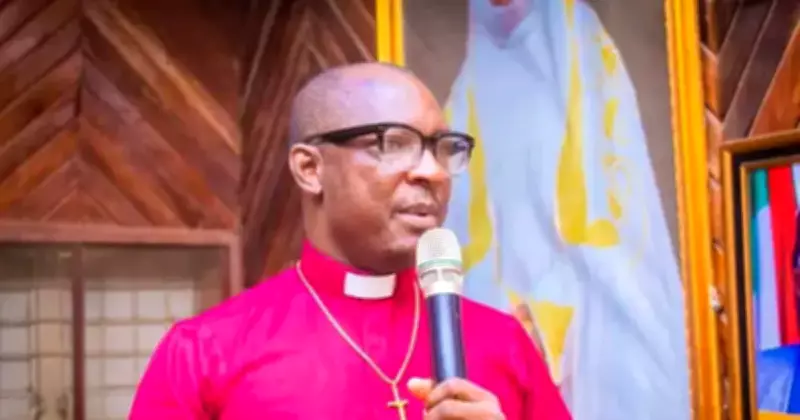
Pastor John Joseph Hayab, Chairman of CAN in the 19 Northern states and the Federal Capital Territory, spoke forcefully about the need for Christians to organize themselves against persistent attacks. "These killers are not spirits. These killers are human beings; they may have got some upper hand, but when our people really organise themselves, a time will come when you see that you are chasing back the person who is chasing you," Hayab declared in an interview with PUNCH newspaper.
Hayab emphasized that Christians should not allow fear to prevent them from celebrating Easter, describing the attacks as both physical and psychological warfare. He criticized the government and security agencies for their failure to stop the killings, noting that many Nigerians are losing confidence in official assurances of protection.
"From 2009 till today, they have been tormenting us every time it is Easter and Christmas; they will deny us the joy of celebrating," Hayab stated. "They (terrorists) are telling us that they will attack us. What kind of thing is that? So, should we stop everything and go into hiding? No, every church leader should tell his members that enough is enough of this rubbish."
Security Forces on High Alert
In response to the escalating violence, the Defence Headquarters has placed troops on nationwide alert ahead of Easter celebrations. During an end-of-month briefing in Abuja, Major General Michael Onoja, Director of Defence Media Operations, assured reporters that security forces would maintain heightened vigilance throughout the festive period to ensure tighter security for citizens.
Meanwhile, Inspector-General of Police Olatunji Disu has ordered a massive deployment of security personnel to Jos. The police have also deployed senior officers to coordinate operations and ensure those responsible for the attack are apprehended. This security reinforcement comes as the Defence Headquarters works to prevent further violence during the important Christian holiday.
Experts Divided on Self-Defense Approach
Security experts have expressed conflicting views on the appropriate response to the growing insecurity. Retired military officer and former Plateau State governorship aspirant John Sura supported lawful self-defense measures, urging citizens to take minimal legal steps to protect themselves during attacks.
"Self-defence allows you to carry a Dane gun, and then you have a licence to carry that. If you go to the police, they can give you that," Sura explained. "You can also carry very sharp objects that you keep to defend yourself in case of any attacks. I have followed the discussions of the DG, SSS. In the confines of the law, you are allowed to carry something to defend yourself."
Sura pointed to the recent Plateau incident as evidence of the need for self-protection: "Like the incident that happened in Plateau, those terrorists were pulling people into their houses and slaughtering them because they had nothing to defend themselves. The last kick of a horse does not stop it from dying, but you should be able to inflict injury on the person before he kills you, not to be killed like an animal."
He also advocated for stronger community-based security systems and better intelligence sharing between residents and security agencies, noting that security forces cannot be everywhere and that local vigilance groups could serve as a crucial second line of defense.
In contrast, another retired officer, Abdulwahab Ademola, warned against arming civilians, arguing that doing so could worsen insecurity. Instead, he recommended implementing early warning systems and providing community training to help residents respond effectively to attacks without resorting to widespread civilian armament.
Religious Organizations Demand Action
The Pentecostal Fellowship of Nigeria has also reacted to the violence, describing the resurgence of attacks as "deeply troubling." PFN National Secretary David Bakare stated that the latest attack raises serious concerns about Nigeria's security system and called for a thorough investigation into the root causes of the renewed violence.
Bakare emphasized that simply deploying more troops is insufficient and that the government must address the underlying issues driving the conflict. His comments reflect growing frustration among religious leaders with what they perceive as inadequate government response to the persistent violence targeting Christian communities during religious holidays.
Broader Context of Holiday Violence
The Jos attack represents a continuation of a disturbing pattern where Christian holidays become targets for violence in Nigeria. Hayab's reference to attacks dating back to 2009 highlights the long-standing nature of this security challenge. The timing of these incidents during Easter and Christmas celebrations suggests a deliberate strategy to maximize psychological impact on Christian communities.
As security forces increase their presence and religious leaders debate appropriate responses, ordinary Nigerians face difficult choices about how to celebrate their faith while ensuring their safety. The debate over self-defense versus reliance on state security reflects broader tensions in Nigeria's approach to addressing persistent insecurity across multiple regions.
The situation in Jos remains tense as Easter approaches, with communities balancing the desire to celebrate their faith against legitimate security concerns. The coming days will test both the effectiveness of security deployments and the resilience of communities facing ongoing threats during what should be a period of religious reflection and celebration.