Ondo Residents Block Highway with Victim's Body, Demand Action on Kidnappings
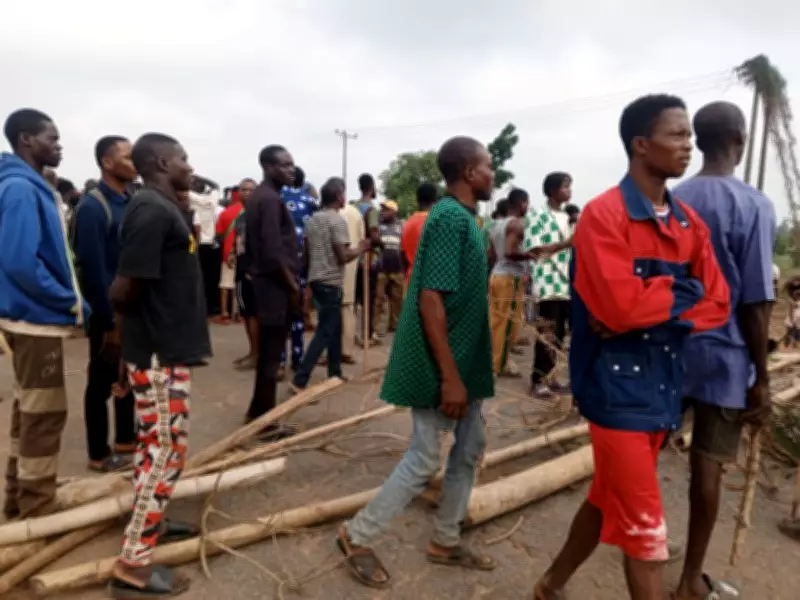
In a dramatic and desperate protest against escalating insecurity, residents of communities in Akure North Local Government Area of Ondo State took to the streets on Tuesday, March 10, 2026. The protesters, who came out in large numbers, used the body of a kidnap victim killed by his abductors to barricade the busy Akure–Owo highway, bringing vehicular movement to a complete halt.
The demonstrators declared they would only allow traffic to resume after the government addresses the severe insecurity plaguing their area. They carried placards with poignant messages such as “We Are Dying, Save Our Souls”, “Mr Governor, Please Assist Us”, and “Our Children Are in Danger and We Cannot Go to Farms Again.” Residents lamented that incessant kidnappings have left them unable to farm or sleep peacefully, crippling their livelihoods and daily lives.
Demands for Government Intervention
The protesters specifically demanded that Governor Lucky Aiyedatiwa visit the scene of the protest before they would end the highway blockage. They emphasized the urgency of the situation, citing recent incidents like the kidnapping of the Secretary of Okeluju Local Council Development Area under Akoko North West Local Government Area, who was abducted on his farm alongside two others on Monday, March 9, 2026.
In response to the crisis, the Commissioner of Police, Adebowale Lawal, intervened to persuade the protesters to allow the free flow of traffic. He assured them that additional policemen and tactical units would be deployed to tackle the insecurity, aiming to restore order and safety in the affected communities.
Broader Implications of the Protest
This protest highlights the growing frustration among Ondo State residents over the failure of security measures to curb kidnappings and violence. The use of a victim's body as a barricade underscores the severity of the issue and the community's desperation for immediate action. As insecurity continues to disrupt agricultural activities and threaten lives, calls for more robust government responses are intensifying across the region.