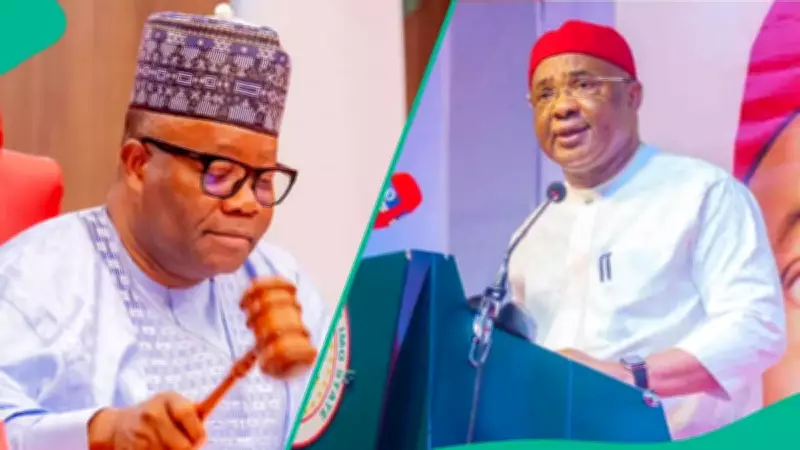
The Nigerian Senate has reversed a controversial amendment to its standing rules, reopening eligibility for senators previously barred from contesting principal offices. This development has revived speculations surrounding Imo State Governor Hope Uzodimma's alleged Senate Presidency ambition ahead of the 2027 elections.
Senate Reverses Key Amendment
On Wednesday, May 6, lawmakers adopted a motion sponsored by Senate Leader Opeyemi Bamidele under the supervision of Deputy Senate President Jubril Barau. The reversal nullifies an earlier amendment that restricted eligibility for principal offices in the National Assembly.
Previous Eligibility Restrictions
Under the earlier amendment, only senators who had served two terms were eligible to contest for principal offices. Additionally, one of the required terms had to be served in the immediate Senate preceding the nomination. This condition significantly reduced the number of qualified contenders for the Senate Presidency and other leadership positions.
Fresh Changes Approved
Following the latest decision, the restriction has been removed, allowing senators previously disqualified under the amended rules to seek leadership positions. This is expected to widen the contest for principal offices and has sparked fresh political discussions within the ruling All Progressives Congress (APC).
Uzodimma's Alleged Ambition Gains Momentum
Political observers believe the reversal may strengthen speculations surrounding Governor Hope Uzodimma's alleged interest in the Senate Presidency after the 2027 general elections. Although the governor has not publicly declared any ambition, the revised standing rules are seen as favourable to several political figures who had been excluded by the stricter eligibility conditions.
The motion to reverse the amendment was moved by Senate Leader Opeyemi Bamidele and subsequently adopted during plenary proceedings presided over by Deputy Senate President Jubril Barau. With this development, senators formerly blocked from contesting principal offices are now eligible to seek leadership positions in the upper legislative chamber.