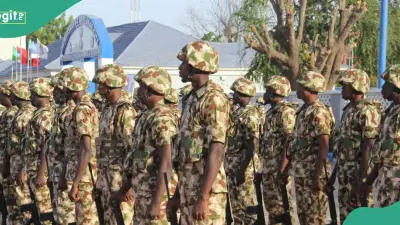
In a decisive move to bolster its fighting force, the Nigerian Army has announced an immediate and indefinite halt to all statutory and voluntary retirements for specific categories of its officers. This significant policy shift is a direct response to the nationwide security emergency declared by President Bola Tinubu, as the military seeks to rapidly expand its operational capacity.
Directive from Army Headquarters
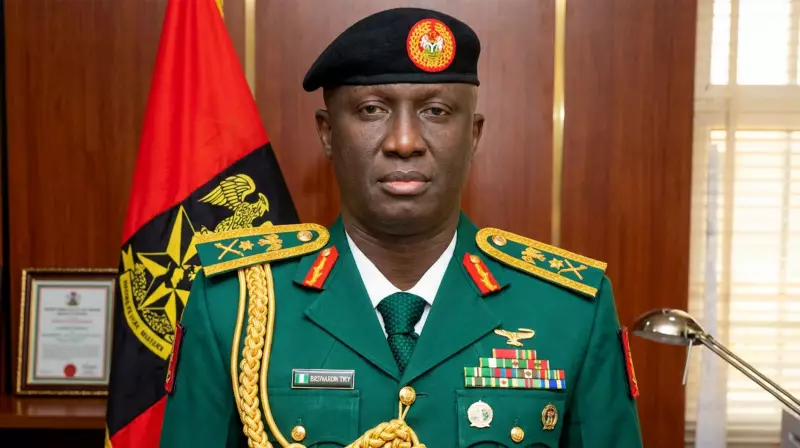
The order was communicated through an internal memo dated 3 December 2025, signed by Major General E. I. Okoro on behalf of the Chief of Army Staff, Lieutenant General Waidi Shaibu. The document cites the presidential declaration of a security emergency on 26 November as the primary catalyst. The memo states that the suspension is "expedient" to quickly grow the army's manpower, preserve critical expertise, and maintain operational readiness against escalating threats across Nigeria.
Legal Basis and Affected Officers
The army's action finds its legal grounding in the Harmonised Terms and Conditions of Service for Officers (HTACOS) 2024. While this document typically mandates retirement based on age, length of service, or promotion failures, Chapter 3.10(e) provides a crucial exception. It permits the extension of an officer's service when it is deemed to be in the interest of the military.
The suspension specifically targets officers in the following five categories:
- Those who have failed promotion examinations three times.
- Officers passed over for promotion on three separate occasions.
- Personnel who have reached the official age ceiling for their current rank.
- Those who have failed conversion boards three times.
- Officers who have completed the maximum 35 years of service.
Terms of Service Extension
The memo outlines a clear procedure for affected personnel. Officers in these categories who wish to remain in service must formally apply for an extension beyond their original retirement date. However, the army has attached a major condition to this stay of service.
Officers granted an extension will not be eligible for any form of career progression. This includes promotions, attendance of career courses, army-sponsored or self-sponsored educational programs, secondment to other posts, or extra-regimental appointments. The extension is purely for the retention of experienced manpower for operational duties.
Conversely, the directive clarifies that officers within these categories who are not interested in extending their service are to proceed with the normal retirement process as originally planned.
This unprecedented freeze on retirements underscores the severity of the security challenges facing Nigeria and the military's urgent need to consolidate its experienced officer corps during a period of rapid expansion and heightened operational tempo.