Former Intelligence Chief Breaks Silence After 30 Years
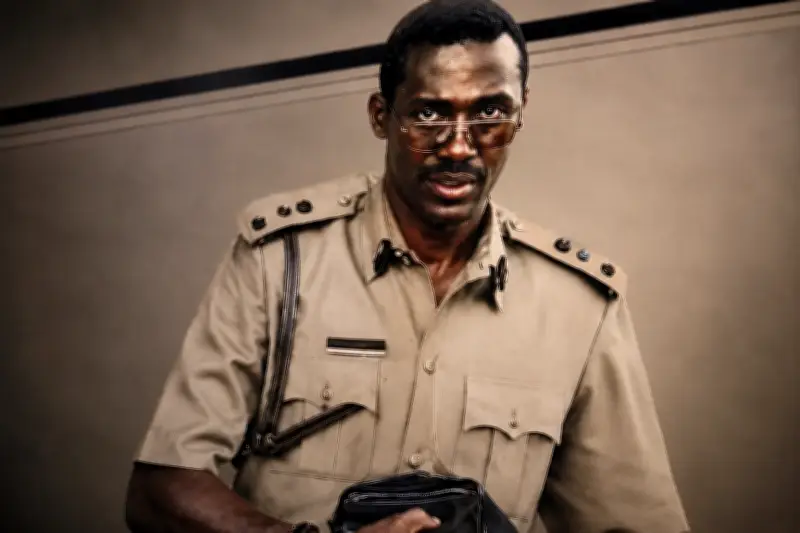
Retired Colonel Frank Omenka, who commanded the Directorate of Military Intelligence (DMI) Security Group under the late military ruler Sani Abacha, has publicly defended his actions for the first time since the end of the junta. Speaking on 25 June during a virtual interview organized by Experiential Leadership in Africa (TEL-Africa) in partnership with PREMIUM TIMES, Omenka insisted he merely discharged his professional responsibilities and has “nothing to apologise for.” The interview, moderated by TEL-Africa’s Adeolu Adewunmi, featured questions from Dapo Olorunyomi (PREMIUM TIMES publisher), Kunle Ajibade (executive editor of TheNews Magazine), and Idris Akinbajo (managing editor of PREMIUM TIMES).
Omenka’s Background and Public Footprint
Little was publicly known about Omenka before his emergence as a senior intelligence officer during the Abacha years. During the interview, he explained that he was still in school when the junta co-opted him into the system. After rising to lead the security group, Omenka became widely known primarily for allegations of rape and torture—serious enough to end his career if genuinely investigated. These allegations remain the only public footprints of the former military chief. After the Abacha regime ended, many victims appeared before the Human Rights Violations Investigation Commission (Oputa Panel) to testify about abuses. Omenka, however, had left Nigeria before the panel began sitting and did not appear, stating he left to stay with his children abroad, not to avoid prosecution.
Victims’ Testimonies at the Oputa Panel
Several witnesses specifically named Omenka at the Oputa Panel. Media executive Nduka Obaigbena recalled being interrogated by DMI officers after THISDAY published articles critical of the Abacha government. Olusegun Adeniyi, a former detainee and ex-editor of Sunday Concord, described being held in DMI custody and quoted Omenka as threatening: “I will detain you here tonight and organise some boys to go and rape your wife at home.” No major public trial produced a definitive judicial determination of Omenka’s responsibility for these abuses.
Omenka’s Defense: Professional Duty, No Regrets
Throughout the session, Omenka rejected accusations of brutality or acting outside the law. “I did my job. I didn’t kill anybody. I didn’t touch anybody. I carried out my job professionally,” he said. Pressed on regrets, he insisted: “There is no room for apology because I have not committed any offence. My duty was to investigate.” He acknowledged using harsh language during interrogations but argued it was part of professional techniques to obtain information. “It had nothing to do with me as a human being. It had everything to do with me as a professional. All we wanted was to get to the truth,” he stated.
Distinction Between Investigation and Tribunal
Omenka maintained that his team was not responsible for sentencing suspects, drawing a clear line between investigators and the military tribunals that later tried accused persons. “My panel was not a tribunal. It was an investigating team,” he said. When asked about the pain suffered by victims and their families, he reiterated that he neither physically assaulted detainees nor exceeded his mandate. “You say people were taken to prison. My duty was to take them there. I didn’t judge them. I didn’t sentence them,” he added.
Reigniting Debate on Accountability
The interview marked one of Omenka’s most extensive public engagements on his role during the Abacha years—a period widely criticized by human rights organizations for widespread detention without trial, alleged torture, and suppression of political dissent. His comments are likely to reignite debate over accountability for abuses committed during Nigeria’s years of military rule, as several victims continue to insist they suffered grave injustices during investigations in which Omenka played a prominent role. The interview ended without any indication that the retired officer intended to retract or apologise for his actions, insisting instead that history had misunderstood his role and that he simply carried out the duties assigned to him.