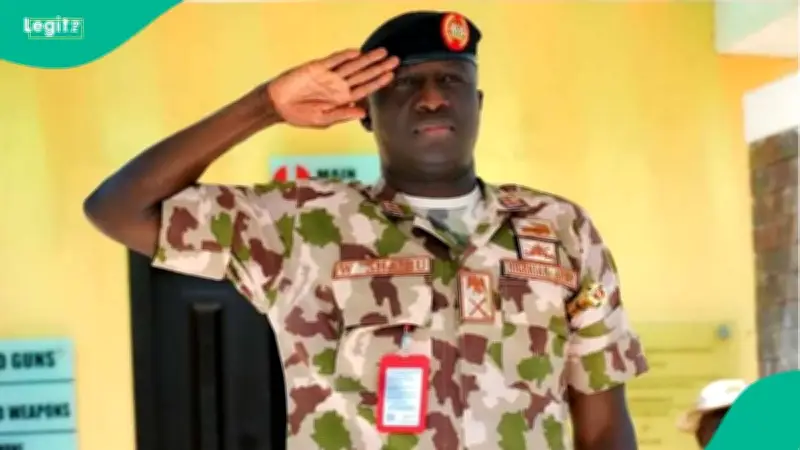
The Nigerian Army has appointed Major General Ibikunle Ademola Ajose as the new commander of Operation Hadin Kai, the military campaign against Boko Haram and its Islamic State-backed splinter group in the northeast. Army spokesperson Appolonia Anele confirmed the development on Wednesday in an official statement, according to Legit.ng.
New Commander Takes Over Operation Hadin Kai
Ajose, who previously served at the Army Headquarters in Abuja, replaces Major General Abdulsalam Abubakar. Abubakar had held the position since April 2025, making his tenure less than two years. According to Reuters, Abubakar was the 15th commander of the operation.
The reshuffle comes as part of a broader shake-up involving 14 other generals, Anele said. The army stated that the exercise was designed to boost operational effectiveness, strengthen leadership, and better align command structures with Nigeria's shifting security environment.

Broader Military Reorganisation
The replacement of Abubakar is not an isolated change but part of a wider reorganisation within the military. The army did not draw any connection between the command change and any particular recent attacks in the northeast.
This development follows a report that the federal government allegedly agreed to a secret ceasefire with Boko Haram, though no official confirmation has been provided.
Security Challenges Ahead of 2027 Elections
The appointment comes as Nigeria prepares for presidential elections scheduled for early 2027, with insecurity high on the list of national concerns. During the last presidential election, security threats disrupted voting in several parts of the northeast, and similar risks remain a challenge for the upcoming polls.
Boko Haram and its splinter faction, the Islamic State West Africa Province (ISWAP), have been waging an insurgency since 2009 that, according to data from the Armed Conflict Location and Event Data Project (ACLED), has killed more than 40,000 people and forced millions from their homes across the Lake Chad basin region.
Beyond the northeast, the country continues to grapple with banditry and widespread kidnappings in other parts of Nigeria, further complicating the security picture ahead of next year's general elections.