Israeli Military Takes Responsibility for Fatal Artillery Strike on Own Civilian
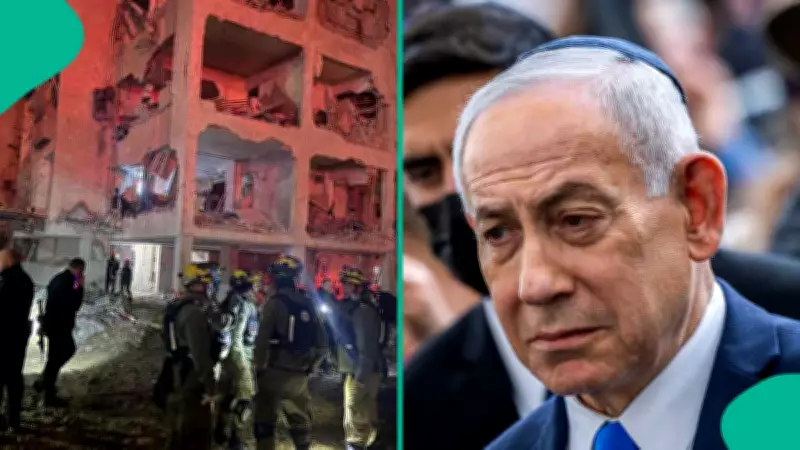
Israel's military has formally admitted responsibility for the tragic death of an Israeli civilian in the country's northern region, following a devastating artillery strike that went catastrophically wrong. An internal military inquiry has uncovered what it describes as "several severe issues and operational errors" that led to this fatal incident, with artillery shells landing inside Israeli territory instead of their intended target in neighboring Lebanon.
Details of the Tragic Incident
The victim has been identified as Ofer Moskovitz, known affectionately by his nickname "Pushko" within his community. Moskovitz was a dedicated farmer and served as the official spokesman for the Misgav Am kibbutz, where this tragedy unfolded on March 22, 2026. According to military reports and community statements, Moskovitz was driving his vehicle when it was struck by artillery shells, causing the vehicle to catch fire and resulting in his immediate death.
Misgav Am, which is situated directly on the border with Lebanon, released an official statement mourning the profound loss of Moskovitz, who was described as a well-known and central figure within the tight-knit community. His dual roles as both farmer and community spokesperson made him an integral part of daily kibbutz life, and his death has sent shockwaves through the entire region.
Military Investigation Reveals Critical Failures
The military investigation, as reported by multiple sources including the Wall Street Journal, has identified multiple critical failures that contributed to this deadly mistake. Initially, authorities had suggested the incident might have resulted from an attack by Hezbollah militants operating in the area. However, as the investigation progressed, the military clarified that Israeli forces were responsible and launched a comprehensive internal review.
According to military officials, the artillery was being fired to provide support for Israeli soldiers operating in southern Lebanon. However, errors occurred during both the planning and execution phases of the operation. These included launching artillery from incorrect angles and failing to follow established safety protocols and operational procedures. As a direct result of these failures, five artillery shells landed on the Misgav Am ridge inside Israel rather than hitting their intended enemy targets across the border.
Community Impact and Broader Context
The death of Ofer Moskovitz has deeply affected the Misgav Am community, raising serious questions about military procedures and safety measures in border areas. This incident occurs against the backdrop of heightened regional tensions, with the Israel–US conflict with Iran escalating since February 28, 2026, into a major regional confrontation involving strikes on Iranian cities, retaliatory missile attacks, and significant global economic disruption.
The closure of the Strait of Hormuz, a critical global oil shipping route, has triggered sharp increases in global oil prices, intensifying economic concerns worldwide. The broader conflict has already resulted in hundreds of casualties and widespread destruction, with ongoing fears of further escalation involving Hezbollah and other regional actors. The situation remains volatile and unresolved, with Israel having imposed sweeping emergency measures including school closures, bans on public gatherings, and the movement of hospital patients to underground facilities following missile threats.
This tragic incident highlights the human cost of military errors during times of heightened conflict and raises important questions about operational protocols and civilian safety in conflict zones.