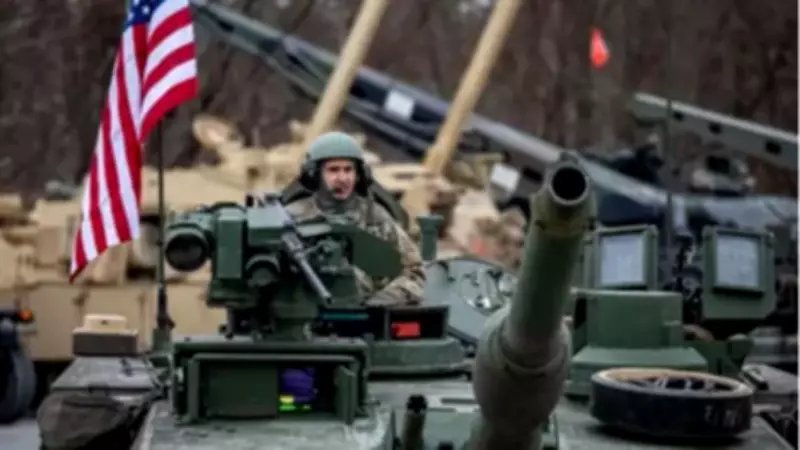
NATO has stated that it is actively engaging with the United States to gain a clearer understanding of Washington's decision to withdraw approximately 5,000 troops from Germany. This development comes as tensions between transatlantic allies intensify over the ongoing conflict in the Middle East.
Pentagon Announces Withdrawal Timeline
The move follows a formal announcement by the Pentagon, with spokesman Sean Parnell confirming that the withdrawal is expected to be completed within the next six to twelve months. NATO has confirmed that it is seeking further clarification on the rationale behind this decision.
"This adjustment underscores the need for Europe to continue to invest more in defense and take on a greater share of the responsibility for our shared security," NATO spokeswoman Allison Hart said in a statement.
Political Tensions and Trade Disputes
The announcement comes amid a public disagreement between former President Donald Trump and German Chancellor Friedrich Merz, following Merz's suggestion that Iran was "humiliating" Washington during negotiations. Trump has also announced plans to increase tariffs on European Union vehicles from 15 percent to 25 percent, accusing the bloc of failing to meet its obligations under a previous trade agreement.
As of December 2025, there were more than 36,000 US troops stationed in Germany, compared to approximately 12,600 in Italy and 3,800 in Spain.
Germany's Cautious Response
Germany has responded cautiously to the announcement. Defence Minister Boris Pistorius stated that the reduction "was to be expected," while Foreign Minister Johann Wadephul noted that Berlin is "prepared" and remains engaged in discussions with NATO partners.
However, Wadephul emphasized the continued importance of US military infrastructure in Germany, asserting that major installations such as Ramstein Air Base are "not up for discussion" due to their critical role for both countries.
Concerns from US Lawmakers
The decision has also drawn concern from senior US lawmakers. Senators Roger Wicker and Mike Rogers warned that reducing troop numbers could risk "sending the wrong signal to Vladimir Putin." They added that while European allies are increasing defense spending, it will take time to build sufficient military capability.
Trump has repeatedly argued that European nations should take greater responsibility for their own defense and has previously threatened to reduce US troop presence across the continent. He also suggested this week that further withdrawals from Italy and Spain could follow, stating: "Italy has not been of any help to us and Spain has been horrible, absolutely horrible… Yeah, probably, I probably will. Why shouldn't I?"