US Plans Major Troop Surge to Middle East Amid Iran Tensions
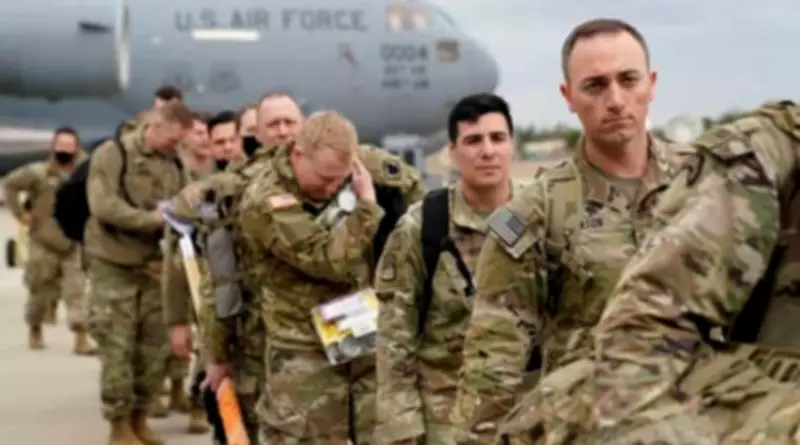
The United States is expected to deploy thousands of additional troops to the Middle East, marking a continued military buildup even as discussions about a possible agreement with Iran remain uncertain. According to sources familiar with the matter, the Pentagon plans to send between 3,000 and 4,000 soldiers from the U.S. Army's elite 82nd Airborne Division.
Rapid Deployment Capability
The 82nd Airborne Division, based at Fort Bragg, North Carolina, is known for its rapid deployment capability and can mobilize within 18 hours. The exact destination and timeline for the deployment have not been disclosed. Officials noted that while no final decision has been made to send troops into Iranian territory, the move is aimed at strengthening operational readiness for potential future actions in the region.
Previous Military Buildup
This development follows an earlier deployment of additional U.S. forces, including Marines and sailors aboard the USS Boxer, an amphibious assault ship, along with its Marine Expeditionary Unit and supporting warships. Prior to these reinforcements, the U.S. already had approximately 50,000 troops stationed across the Middle East.
Strategic Options and Global Impact
The buildup comes amid rising tensions tied to the ongoing conflict involving Iran, which has significantly impacted global markets. U.S. military planners have reportedly explored several strategic options, including:
- Securing the Strait of Hormuz
- Potential operations near Iran's coastline
- Targeting Kharg Island, a critical hub responsible for the majority of Iran's oil exports
Diplomatic Uncertainty
Despite the increased military activity, there have been mixed signals regarding diplomacy. While statements from U.S. leadership suggest the possibility of constructive engagement, Iranian officials have denied that any talks have taken place.
Political Risks and Public Opinion
The potential use of ground troops even in a limited capacity carries significant political risk, particularly as public support in the United States remains low. Recent polling indicates that a majority of Americans oppose military strikes on Iran, reflecting growing concern over deeper involvement in another Middle East conflict.