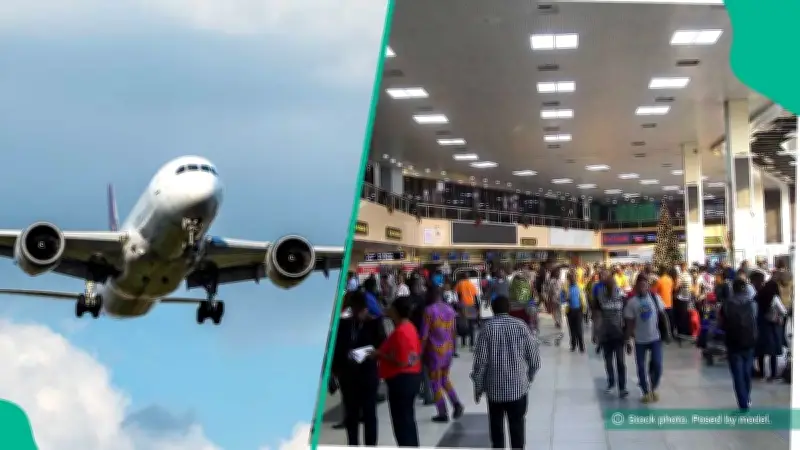
The Nigeria Civil Aviation Authority (NCAA) has publicly criticised domestic airlines for neglecting passengers during flight disruptions, citing data that shows nearly 60% of all domestic flights in August 2026 were delayed. According to NCAA figures, 4,765 flights were delayed and 36 were cancelled out of a total of 7,961 domestic operations, putting the delay rate at roughly 59.8%. The numbers lay bare the scale of operational difficulties passengers routinely face on Nigerian routes.
Airlines with the highest delay rates
NCAA data reveals significant variation in delay rates among major carriers. United Nigeria Airlines recorded 943 delayed flights out of 1,231, giving it a 76.6% delay rate. Air Peace followed closely with 1,330 delayed flights out of 1,864, representing a 71.4% delay rate. Other carriers also showed high delay percentages: Enugu Air had 66.3% of its flights delayed, Arik Air 62.5%, Max Air 60.7%, Overland Airways 58.2%, and ValueJet 56.7%.
These figures highlight the systemic nature of flight delays across the Nigerian aviation industry, affecting both major and smaller carriers. The data underscores the challenges passengers face when travelling on domestic routes, with delays becoming the norm rather than the exception.

NCAA accuses airlines of abandoning obligations
Michael Achimugu, director of Public Affairs and Consumer Protection at the NCAA, said airlines were breaching Part 19 of the Nigeria Civil Aviation Regulations, which spells out their duties to passengers during disruptions. He acknowledged that disruptions are inevitable in aviation worldwide but stressed that airlines have clear responsibilities when they occur.
“We all know that disruptions must happen. Anywhere in the world, there's no amount of emotional blackmail that will lead me to say anything else,” Achimugu said. “However, we also know that when these disruptions happen, there are duties of care and there are processes for passenger handling that the airline needs to carry out. In this regard, the airline unequivocally has failed.”
He said airlines were required to offer light refreshments within two hours of a delay and a proper meal after six hours, but these provisions were routinely ignored. Timely communication with passengers was also flagged as a persistent failure. Achimugu further stated that airline staff had a pattern of disappearing from airports when disruptions became severe, leaving NCAA officials to manage frustrated passengers directly.
“Every time there's a major crisis, there's fear of resorting to violence, their staff, they disappear,” he said.
Refunds and compensation fall short
The NCAA also raised concerns about unresolved refund requests. Achimugu said a 48-hour refund commitment made by airline operators had not translated into practice, with a significant backlog of unresolved claims still on record. On compensation for denied boarding due to overbooking, he said some carriers were offering discounts on future tickets rather than the prescribed cash compensation.
“All the airline does is offer the passenger 25% rebate on your next ticket, not minding whether that passenger ever wants to fly the airline again or not,” Achimugu said.
The regulator said it would continue enforcing passenger protection rules and pressed airlines to improve both schedule reliability and the quality of care provided when disruptions occur.
Context: Rising airfares and sold-out routes
Earlier reports indicated that local airfares have surged by more than 100% amid a shortage of aircraft, leaving many passengers struggling to secure seats. Despite the high fares, several airlines are already fully booked on high-demand routes. Checks on airline websites indicate that flights to popular destinations such as Asaba, Anambra, Owerri, Port Harcourt, and Enugu are already sold out.
The combination of high fares and frequent delays is putting additional strain on passengers, who often have limited alternatives for domestic travel. The NCAA's latest data and statements underscore the urgent need for airlines to address both operational reliability and passenger care, as the regulator continues to enforce compliance with aviation regulations.