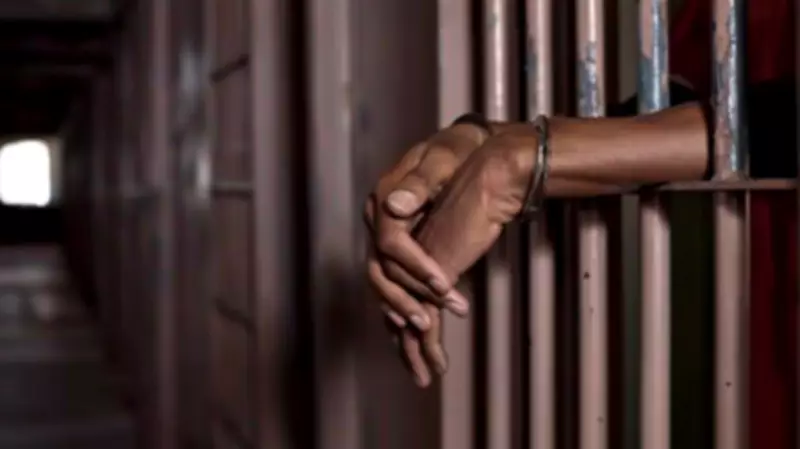
Systemic Collapse and Corruption Worsen Inmates' Plight in Nigerian Correctional Centers
Disturbing reports of discomfort, dehumanization, sickness, hunger, deprivation, torture, and death continue to emanate from correctional centers nationwide, which are failing in their primary role of reforming errant Nigerians. As this occurs, senior prison officials and high-net-worth inmates rub shoulders, with the latter pulling off millions of naira in businesses from prison cells. Criminality, aided by official corruption and professional negligence, is flourishing behind bars, thereby making a mockery of the facility's primary assignment.
Personal Ordeals Behind Bars
Twenty-four-year-old Olagoke Adewole, a barber from Osun State, moved to Lagos in search of greener pastures but ended up at the Maximum Security Correctional Centre (MSCC) in Kirikiri, Lagos, after being accused of theft. He spent a year awaiting trial, during which he described horrific conditions. "We slept on each other like sardines," Adewole recalled. "We were 86 inside a cell room where people with various diseases, including untreated wounds, were lumped together. We all slept there, wearing only boxer shorts in rooms without ventilation." He noted that deaths were common, with inmates often passing away by sunset, and hunger was rampant, with meals consisting of a half-milk tin of garri served three times daily.
Aliu Ridwan, a 27-year-old tricycle rider who also spent time at MSCC, summarized life as "very agonizing." Inmates had to pay for necessities, with Ridwan washing clothes for small fees to buy food. "Prison officials don't even worry about the fact that the beans served were laden with impurities and cooked without oil and pepper," he stated. Overcrowding forced inmates to sleep on their sides, and hunger drove them to seek food at churches or mosques, regardless of religion.
Basit Rasak, 28, highlighted the absence of infrastructure for decent living. Inmates pay for their own drugs when sick, and those with means buy cooking utensils, mobilize officials, and fuel court vehicles on trial dates. These former inmates describe the facilities as a living hell, with pervasive corruption and lack of accountability exacerbating the dire conditions.
Correctional Centers as Command Centers for Illicit Businesses
While the slow judicial system has drawn attention to the high number of awaiting-trial inmates, Nigerian prisons are also notorious for human rights abuses, outdated infrastructure, overcrowding, and filth. More troubling is their evolution into command centers for illicit trades. High-net-worth inmates induce correctional officers, converting custodial facilities into crime havens.
Allegations include the movement of Inmates on Death Row (IDR) under false medical emergencies, drug trafficking, unauthorized conjugal visits, and running Point of Sale (PoS) businesses. Correction officer Ayibakari Tonyeli testified before an investigative panel that an IDR, Ifeanyi Nwanyimo, was taken to a hospital without a medical officer. He also alleged that staff officers facilitated contraband like PoS machines and Indian hemp into the yard.
Nwanyimo was so powerful that he could facilitate the removal of officers hindering his operations, provided money for fuel and power, and enjoyed luxuries like a television set in his cell. Another inmate, Joe Ejike, serving time for drug trafficking in Kuje, had mobile phones smuggled in to direct drug peddling activities across Nigeria and Europe. He also shuttled in and out of jail for clandestine meetings under medical pretenses.
The Economic and Financial Crimes Commission (EFCC) reported that Hope Olusegun Aroke, a convicted internet fraudster in Kirikiri, used accomplices to carry out a $1 million international scam. The NCoS arrested officials involved and seized luxury assets acquired by Aroke from prison.
Interior Minister Dr. Olubunmi Tunji-Ojo acknowledged "unprofessional conduct" within the service, stating, "The correctional service must not be a place where criminality is incubated." He emphasized efforts to install signal jammers and conduct cell sweeps but noted that technology cannot fix a moral deficit.
Worsening Economic Realities Take a Toll on Inmates
Rising food inflation and economic struggles have made the burden on inmates weighty and almost unbearable for the poorest. Despite the Federal Government allocating N14.83 billion for inmates' feeding in the 2026 budget, with a daily allowance of N1,125 per inmate, this amount is insufficient due to inflation. With about 78,100 inmates in custody, the NCoS faces challenges in catering to them amid complaints of corruption and poor feeding.
Pretrial inmates, who make up 69% of the population, still pay logistic funds for court appearances. For example, at the Aba Correctional Centre, fees have risen from N5,000 to N10,000 due to rising energy costs. Failure to pay can result in indefinite custody as cases stall.
Stakeholders like Oluwafunke Adekoya of Hope Behind Bars call for addressing systemic corruption and improving transparency in fund allocation. She suggests investing in NCoS farms to produce food, reduce costs, and provide inmates with agricultural skills. Ogechi Ogu of Public Awareness on Rights and Rehabilitation emphasizes that inmates retain basic human rights and should be treated with dignity, noting that the increased feeding allowance is still insufficient given current market costs.
From Prison to Correctional Centers: What Has Changed?
The Nigerian Correctional Service (NCoS) Act of 2019 was enacted to reform the prison system, changing the nomenclature from "Nigerian Prisons Services" to "Nigerian Correctional Services." However, little has changed regarding inmates' rehabilitation and reintegration. The Act introduced non-custodial measures to minimize rights abuses and decongest facilities, but torture and inhuman treatment persist.
Sections 23 and 24 of the NCoS Act criminalize torture and degrading treatment, and Nigeria is a signatory to the UN Convention Against Torture. Dr. Uju Agomoh, secretary of the investigative panel, noted that in some centers, inmates sleep atop each other or in batches in congested rooms. She emphasized the need to address overcrowding and highlighted progress, such as increased NGO access to facilities.
NCoS Response and Reforms
The NCoS, through spokesperson Chief Superintendent of Corrections Jane Osuji, emphasized that the Federal Government makes statutory provisions for inmate welfare, including feeding, healthcare, and clothing. She stated that the service operates a centralized feeding system and that inmates are not required to provide their own food, though supplementary items from family are allowed. Osuji asserted that the NCoS is responsible for conveying inmates to court and that any practice of inmates paying for transportation is illegal.
Reforms include deploying virtual court proceedings and enhancing inter-agency coordination under the Administration of Criminal Justice Act (ACJA), 2015, to reduce physical movement pressures. Osuji encouraged the public to report misconduct through NCoS channels for prompt investigation and sanctions.