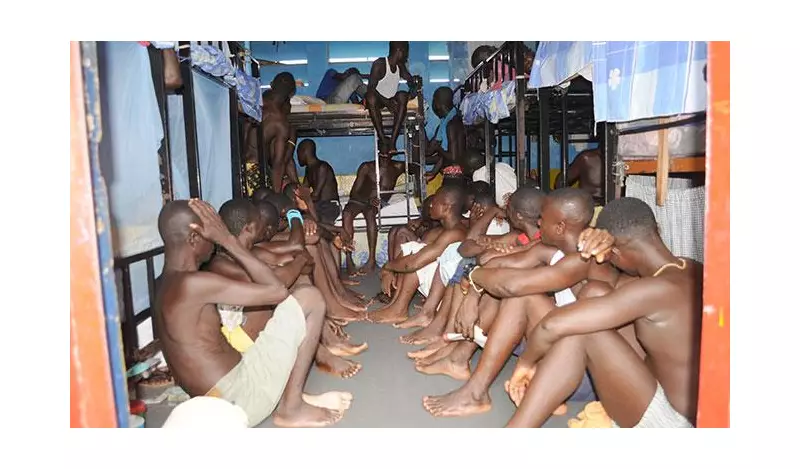
New official statistics have laid bare the escalating crisis within Nigeria's correctional system, revealing a significant rise in the number of inmates languishing without a sentence. The National Bureau of Statistics (NBS) reported that the population of unsentenced detainees has climbed to 53,790.
Alarming Growth in Inmate Numbers
According to the NBS Nigeria Correctional Service Statistics Report for 2017 to the second quarter of 2025 (Q2'25), released in Abuja, the situation has deteriorated over nine years. The number of unsentenced inmates increased by 12.98 percent, from 47,610 in 2017 to the current 53,790.
This growth is part of a broader, worrying trend. The total inmate population across all Nigerian correctional facilities has also swelled. From 69,946 inmates in 2017, the figure jumped to 81,710 by Q2 2025. This represents a substantial 16.82 percent increase in the total number of people held in custody.
Severe Overcrowding in Key States
The NBS data highlights extreme overcrowding, particularly in several high-population states. The report identifies Lagos State as the epicenter of this crisis. In Q2 2025, Lagos facilities held 9,209 inmates against a designed capacity of just 4,167. This translates to an overcrowding ratio of a staggering 221 percent.
Other states grappling with massive inmate populations include Ogun with 4,939 inmates, Kano with 4,667, and Enugu with 3,536. In stark contrast, Kogi State recorded the lowest inmate population at 530, followed by Bayelsa (696) and Benue (777).
While the inmate population grew, the system's capacity saw a slower expansion. Correctional centre capacity increased by 20.99 percent, from 53,752 in 2017 to 65,035 in Q2 2025. This increase has been far outstripped by the surge in admissions, leading to the critical overcrowding seen today.
Admissions and Offence Trends
The report also provided a breakdown of admissions for the year 2024, offering insight into the drivers of the prison population. Nigeria's correctional facilities recorded a total of 176,536 inmate admissions for various offences during the year.
A deep dive into the categories shows the scale of the pre-trial detention problem. Remand or awaiting-trial cases accounted for the highest number of admissions, with 94,614 inmates entering the system under this category. Condemned cases had the lowest admissions at 2,883.
In terms of specific offences, stealing was the most common charge leading to admission, with 55,722 cases. This was followed by "other offences" at 46,043 and armed robbery at 10,090. These figures underscore the ongoing challenges within the criminal justice system, from arrest through to trial and sentencing.
The NBS report serves as a crucial, data-driven spotlight on the pressures facing the Nigerian Correctional Service. The rising numbers of unsentenced inmates and the severe overcrowding, especially in states like Lagos, point to systemic issues in judicial administration and infrastructure that require urgent policy attention and intervention.