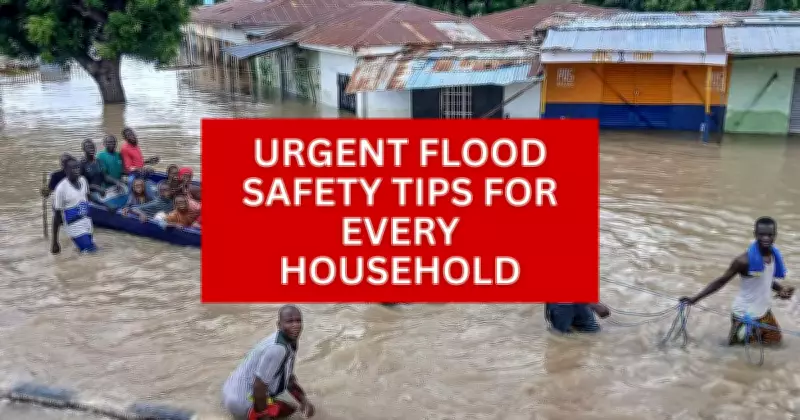
2026 Nigeria Flood Crisis: 9 Critical Safety Steps Every Household Must Take Now
Following the urgent April 15 alert from the Nigeria Hydrological Services Agency (NIHSA), Nigerian households across 33 high-risk states must implement immediate safety measures to survive the 2026 flood season. With NiMet predicting early rainfall onset and "above-normal" rainfall volumes in states including Lagos, Delta, Bayelsa, and Kogi, the preparation window is rapidly closing.
The Federal Government's warning through NIHSA is clear: The 2026 Annual Flood Outlook indicates that 14,118 communities across 33 states and the Federal Capital Territory face severe flooding risks. Analysis of past disasters reveals that just 48 hours of proper preparation often determines the difference between safety and catastrophe.
How to Protect Your Home from 2026 Flooding
Here are the 9 essential actions every Nigerian household must take immediately:
- Clear Your Gutters and Drainages
Blocked drainage systems represent one of the primary causes of urban flooding in Nigeria. Recent National Emergency Management Agency (NEMA) data indicates that 70% of flash floods in cities like Lagos and Ibadan result from obstructed drains. Remove all silt and plastic waste to ensure water has a clear path to main canals. Remember that if neighbors neglect their drainage, your home remains vulnerable.
- Secure Valuables and Important Documents
Floodwaters can rise within minutes, threatening household possessions. Place birth certificates, certificates of occupancy, and academic degrees in airtight Ziploc bags, or scan and upload them to secure cloud storage like Google Drive or iCloud immediately. Elevate refrigerators, washing machines, and furniture at least 40 centimeters above floor level using concrete blocks or wooden pallets.
- Prepare a Waterproof Emergency Bag
Evacuation situations often provide minutes rather than hours for preparation. Your emergency bag must include flashlights with batteries, a battery-powered radio for NTA/FRCN updates, three days of dry food and clean water, first aid kits, and power banks. Include a physical list of emergency contacts since phones frequently become water-damaged or lose power during floods.
- Establish a Clear Evacuation Plan
Identify the nearest designated internally displaced persons camp or sturdy multi-story building as your evacuation point. Ensure every family member knows this meeting location if separated during flooding. High ground isn't merely elevated land but pre-verified locations typically communicated through news channels and neighborhood announcements.
- Safeguard Your Power Supply
Electrocution represents a major hazard during flooding events. Relocate generators to raised, dry platforms. If water enters your living space, immediately turn off the main circuit breaker to prevent electrical accidents.
- Protect Your Home Against Water Intrusion
Implement small but effective measures to reduce flood damage: seal wall cracks, place sandbags at entry points, and install door barriers. While these won't prevent flooding entirely, they can slow water entry, providing critical time to move assets to safety.
- Assess Your Area's Flood Risk
Residents living near rivers, coastal regions like Lekki in Lagos, or low-lying areas face heightened vulnerability. States along major waterways are projected to experience significant impacts according to Nigeria Hydrological Services Agency forecasts.
- Prevent Post-Flood Diseases
Floodwaters frequently contaminate water supplies with sewage, leading to cholera and malaria outbreaks. Protect your family by boiling drinking water, maintaining clean surroundings, using mosquito nets, and purchasing Water-Guard or purification tablets. Store at least two weeks' worth of clean drinking water in elevated tanks or sealed containers.
- Be Prepared for Immediate Evacuation
If authorities advise evacuation, don't delay. Many flood-related fatalities occur when people underestimate risks or attempt to wait out the danger. Early action saves lives during flooding emergencies.
Frequently Asked Questions
Which states face high flooding risk in 2026? According to Water Resources Minister Prof. Joseph Utsev, 33 states including Lagos, Anambra, Bayelsa, Delta, Benue, Kogi, Rivers, Ogun, and the Federal Capital Territory are at risk.
When will the 2026 flood season peak? While early rains have commenced, the highest-risk period is projected between July and September 2026, coinciding with water releases from Cameroon's Lagdo Dam.
Who should I contact during flood emergencies? Call NEMA's emergency toll-free number 112 or contact your specific State Emergency Management Agency (SEMA).
With thousands of communities at risk, every Nigerian household must assume responsibility for safety. While you cannot prevent flooding, proper preparation can significantly reduce damage, protect your family, and maintain control during emergencies.