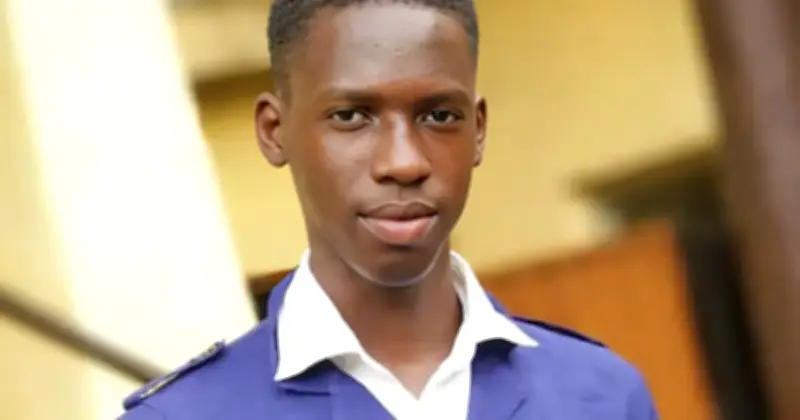
DNA Testing Ends Six-Year Wait for Pelumi Onifade's Family
After nearly six years of agonizing uncertainty, a Lagos Coroner's Court has officially confirmed through DNA testing that the body tagged as unidentified since 2020 belongs to missing journalist Pelumi Onifade. The forensic breakthrough, unsealed on June 23, 2026, provides partial closure for his family, though the coroner's inquest continues to determine the exact cause of death and accountability.
Who Was Pelumi Onifade?
Pelumi Emmanuel Onifade was a 20-year-old 200-level History student at Tai Solarin University of Education (TASUED) and an intern broadcast journalist with Gboah TV. On October 24, 2020, he was assigned to cover events in the Agege and Abule Egba areas of Lagos during the nationwide #EndSARS protests. Crowds had gathered around a government warehouse reportedly storing COVID-19 palliatives, and tensions were running high. That assignment became his last.
What Happened to Pelumi Onifade?
According to witnesses and colleagues, Pelumi was wearing a clearly branded press jacket while reporting. He reportedly filmed a politician allegedly firing shots into a crowd before officers from the Lagos State Environmental and Special Offences Unit (Task Force) moved in. Witnesses said Pelumi was shot and wounded during the operation. Despite identifying himself as a journalist, he was allegedly bundled into a police vehicle alongside other arrested individuals. That was the last time he was seen alive.
For days, his family and employer searched hospitals, police stations, and detention facilities. Task Force officials finally informed the family on October 28, 2020, that an arrestee had died and that the corpse was deposited at the Ikorodu General Hospital mortuary. Two days later, Pelumi's family visited the morgue and visually identified his remains. However, authorities later claimed Pelumi had never been in their custody and asserted that his body had simply been found on the ground.
Why Did It Take Six Years to Identify His Body?
Despite the family's identification in 2020, Pelumi's remains stayed in government custody under the label of an unidentified body, known only as Tag No. 1385. His mother, Mrs Adebose Onifade, was unable to recover her son's remains for burial as legal proceedings dragged on. The Media Rights Agenda (MRA) filed a wrongful death suit against the Lagos State Government and the police, while press freedom organisations repeatedly demanded accountability.
In July 2024, Justice Ayokunle Olayinka Faji of the Federal High Court ordered the Lagos State Attorney-General to investigate the circumstances surrounding Pelumi's death through a formal coroner's inquest. The proceedings kicked off at the Ogba Magistrates Court in Ikeja, presided over by District Coroner Temitope Oladele.
The Controversial DNA Delay
The investigation took another dramatic turn in April 2026. Officials from the Lagos State University Teaching Hospital (LASUTH) claimed they could not match the body because the family's DNA samples had allegedly been destroyed when the Lagos State DNA and Forensic Centre was set ablaze during the October 2020 unrest. However, the family's legal team exposed a major chronological flaw: Pelumi disappeared on October 24, 2020, while the forensic centre was burnt on October 23, 2020. Because the family's DNA samples were only collected weeks after his death, it was logistically impossible for those samples to have been destroyed in the earlier fire. The glaring inconsistency prompted the coroner to reject the hospital's excuse and order an expedited, definitive forensic analysis.
DNA Finally Confirms Pelumi's Identity
On June 23, 2026, Investigating Magistrate Temitope Oladele opened the sealed DNA report in court. The forensic analysis established a definitive genetic match between Mrs Adebose Onifade and the body labelled as Tag No. 1385. The announcement brought emotional scenes inside the courtroom as Pelumi's mother broke down after waiting nearly six years for official confirmation of what she had maintained all along. While the DNA report confirms the identity of the body, it does not answer the most important question: how exactly did Pelumi die? The coroner's inquest is still ongoing and is expected to determine the medical cause of death and establish whether officers involved in his arrest should be held criminally responsible.