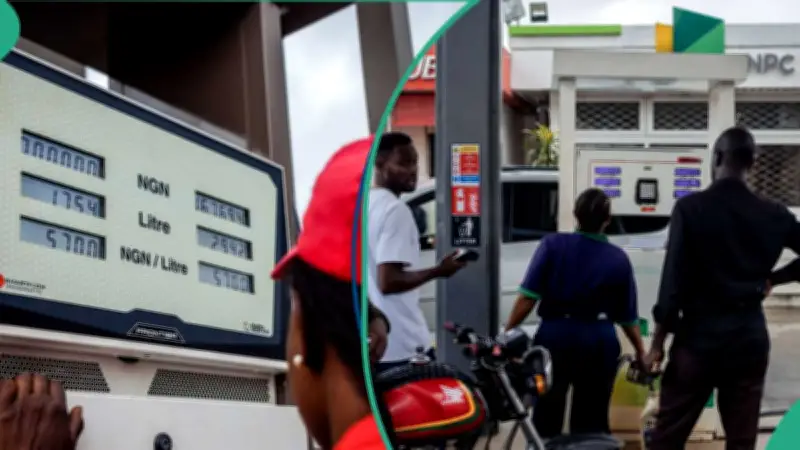
Nigerian motorists are being warned to watch out for fuel attendants who may short-change them through pump manipulation and incorrect meter readings. Consumer protection agencies, including the Federal Competition and Consumer Protection Commission (FCCPC), encourage consumers to remain alert and report suspected unfair practices. Tribune Online examines four tricks that fuel attendants may use to short-change motorists and the warning signs drivers should watch out for.
Failing to Reset the Pump to Zero
One way motorists can lose money is when an attendant starts dispensing fuel without resetting the pump meter to zero. The attendant may distract the driver with a conversation while placing the nozzle inside the fuel tank. Instead of clearing the previous transaction, the attendant begins dispensing from the amount left on the screen.
For example, if the previous customer bought ₦3,000 worth of petrol, the next transaction could start from that amount instead of zero. This may cause the driver to receive less fuel than the amount paid for. What motorists should do: Always check the pump display before the attendant starts dispensing fuel. Ensure the meter reads zero and that the attendant enters the correct amount before proceeding.
Repeatedly Squeezing the Fuel Nozzle
Another suspected trick involves repeatedly pressing and releasing the fuel nozzle's handle while dispensing petrol. Instead of allowing fuel to flow steadily, a dishonest attendant may keep squeezing and releasing the trigger. This can interrupt the flow and make it difficult for the customer to monitor the transaction.
However, claims that this practice makes air register as petrol on a properly functioning pump should not be accepted without technical evidence. A faulty or manipulated pump may deliver an inaccurate quantity, but the nozzle movement alone does not prove that a customer has been short-changed. What motorists should do: Watch the pump display throughout the transaction and pay attention to unusual interruptions. If the attendant's actions appear suspicious, ask for the dispensing process to stop and request clarification.
Improperly Positioning the Fuel Hose
Fuel hoses are flexible, allowing attendants to reach the fuel tanks of vehicles parked in different positions. However, motorists should pay attention to how the hose is handled during dispensing. A poorly positioned or heavily sagging hose may raise concerns, particularly if the attendant quickly removes the nozzle without allowing the dispensing process to finish properly.
However, a sagging hose does not automatically mean fuel has been stolen. The claim that petrol trapped in the hose can simply drain back into a reservoir is not established by the description alone. What motorists should do: Observe how the attendant handles the hose and ensure the nozzle remains in place until dispensing is complete. If you suspect the pump is not delivering the correct quantity, ask the station manager to investigate.
Using a Wrong Amount to Confuse Customers
Some motorists may also be vulnerable to errors or deliberate manipulation when attendants enter the wrong amount into the pump. For instance, a customer may request ₦20,000 worth of petrol, but the attendant enters ₦10,000. The attendant may then apologise, claim to have misunderstood the request and begin a second transaction.
The confusion can make it harder for the customer to track the total amount dispensed, especially if the pump is reset before the first reading is checked. What motorists should do: Confirm the amount entered before dispensing begins. If the attendant enters the wrong figure, check the first transaction's final reading and ensure the second transaction delivers the remaining amount. Keep track of both readings and confirm that their total matches your request.
Ultimately, motorists should remain alert at filling stations, check pump readings and request receipts where available. If a pump appears inaccurate or an attendant refuses to address a complaint, customers can report the matter to the relevant regulatory or consumer protection authorities.