Nigerian Man Boards Boat Without Life Jacket, Says 'We Are Just Trusting God'
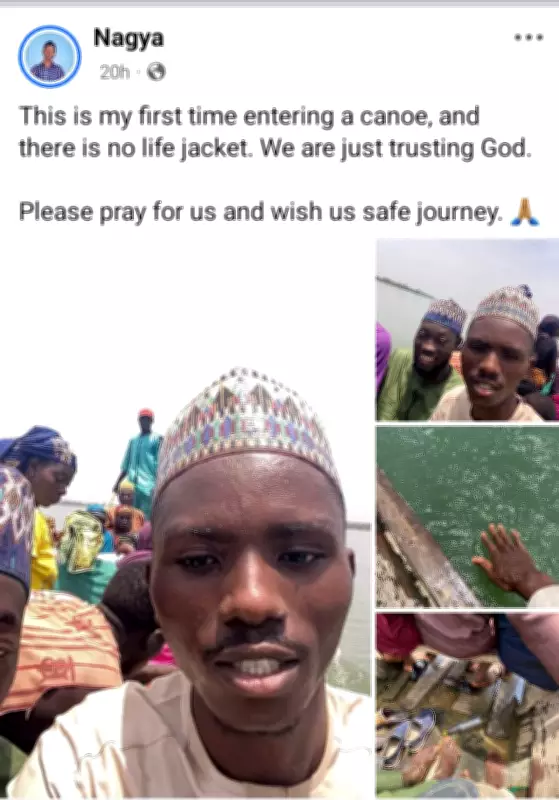
In a concerning incident that highlights ongoing safety lapses in Nigeria's water transport sector, a man from Niger State has sparked debate by boarding a boat without a life jacket, relying solely on divine protection. The individual, identified as Nagya, made the risky decision despite the country's history of avoidable boat mishaps that have claimed numerous lives.
Faith Over Safety Precautions
Nagya shared his experience in a Facebook post on Sunday, revealing that it was his first time entering a canoe and that no life jacket was available. In his post, he wrote, 'This is my first time entering a canoe, and there is no life jacket. We are just trusting God. Please pray for us and wish us safe journey.' This statement underscores a troubling trend where some Nigerians prioritize faith over adherence to basic safety rules, potentially endangering themselves and others.
Context of Boat Mishaps in Nigeria
Nigeria has witnessed multiple tragic boat accidents in recent years, often attributed to overcrowding, poor maintenance, and lack of safety equipment like life jackets. Authorities have repeatedly emphasized the importance of life jackets as a critical measure to prevent drownings during emergencies. However, incidents like Nagya's show that compliance remains low in some regions, raising questions about public awareness and enforcement of safety regulations.
Public Reaction and Safety Concerns
The post has drawn mixed reactions online, with some users expressing concern over the disregard for safety, while others echoed Nagya's reliance on prayer. Safety experts warn that such attitudes can contribute to preventable accidents, urging Nigerians to combine faith with practical precautions. They stress that life jackets are essential for survival in water emergencies, regardless of one's beliefs.
This incident serves as a reminder of the need for improved safety education and stricter enforcement of maritime laws in Nigeria to protect citizens and reduce the risk of future tragedies on waterways.