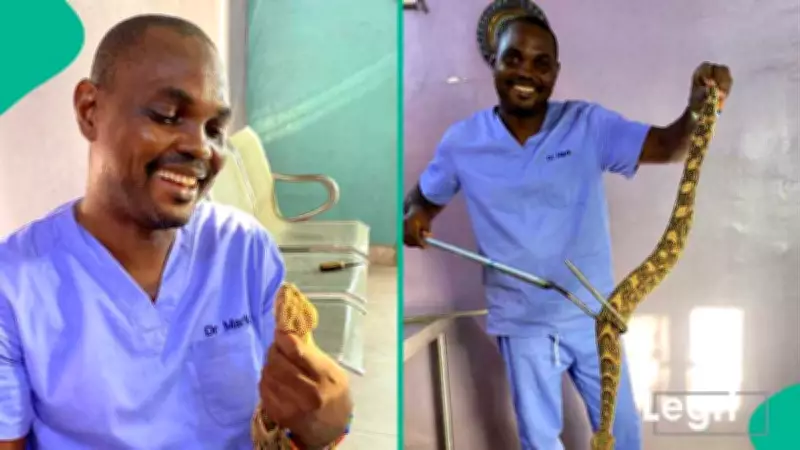
Snake Expert Outlines Critical Measures to Protect Nigerian Homes Following Tragic Incident
The recent tragic death of fast-rising Abuja singer Ifunanya 'Nanyah' Nwangene, who succumbed to a snake bite, has sparked widespread concern among Nigerians about snake safety in residential areas. This unfortunate incident has highlighted the urgent need for practical knowledge about preventing snake encounters in homes and compounds across the country.
Expert Guidance from Conservation Veterinarian
Dr. Mark Ofua, a renowned snake expert, conservationist, and veterinarian with extensive experience since 2014, has provided exclusive insights to address these growing concerns. As the founder of Saint Mark's Animal Hospital in Lagos and West African representative for Wild Africa, a conservation communications NGO, Dr. Ofua emphasizes that understanding snake behavior is fundamental to prevention.
"Every snake we encounter in our environment is either hunting for food or seeking refuge," explains Dr. Ofua. "This basic understanding makes it significantly easier to implement effective snake-proofing measures for our homes."
Seven Practical Steps for Snake Prevention
Dr. Ofua has outlined seven comprehensive steps that Nigerian homeowners can implement to minimize snake encounters:
- Environmental Sanitation: Maintain clear surroundings by removing bushes and vegetation outside fences that could provide hiding spots for snakes.
- Proper Waste Management: Dispose of rubbish heaps, discarded materials, and unused building materials properly, as these create ideal hiding places for snakes.
- Control Rodent Populations: Secure rubbish bins and dumpsters to prevent attracting rats, which in turn attract snakes hunting for prey.
- Manage Amphibian and Reptile Populations: Reduce unnecessary populations of lizards and frogs in the compound, as these can attract snakes seeking food.
- Strategic Chicken Coop Placement: In snake-prone areas, position chicken coops well away from living quarters, as chickens and their eggs attract certain snake species.
- Eliminate Rodent Infestations: Remove rats from the home itself, as snakes can trace chemical cues from rodents that entered days earlier.
- Seal Entry Points: Block holes and potential entry routes, paying special attention to soakaway and septic tank systems where rats congregate and attract snakes that can follow pipes into toilets or water cisterns.
Understanding Human-Snake Conflict
Dr. Ofua further explains that snakes are primal creatures with no concept of play or entertainment. "Snakes naturally avoid human interaction," he notes, "but deforestation and human expansion into their territories have created unavoidable conflicts." This human-wildlife interaction has become increasingly common as urban areas expand into previously wild spaces.
The veterinarian emphasizes that any snake encountered is typically engaged in essential survival activities: hunting for food, fleeing danger, or returning from a hunt. This understanding helps homeowners approach prevention from a behavioral perspective rather than one of fear.
Design Considerations for Nigerian Homes
Dr. Ofua stresses the importance of architectural considerations in snake prevention. "Our home designs must incorporate features that prevent snakes from finding entry points," he advises. Particular attention should be paid to plumbing systems, drainage networks, and foundation gaps that could provide access routes for snakes following prey or seeking shelter.
This comprehensive approach to snake prevention combines environmental management, structural modifications, and behavioral understanding to create safer living environments for Nigerian families. As urbanization continues to bring humans and wildlife into closer proximity, such expert guidance becomes increasingly valuable for maintaining household safety across the nation.