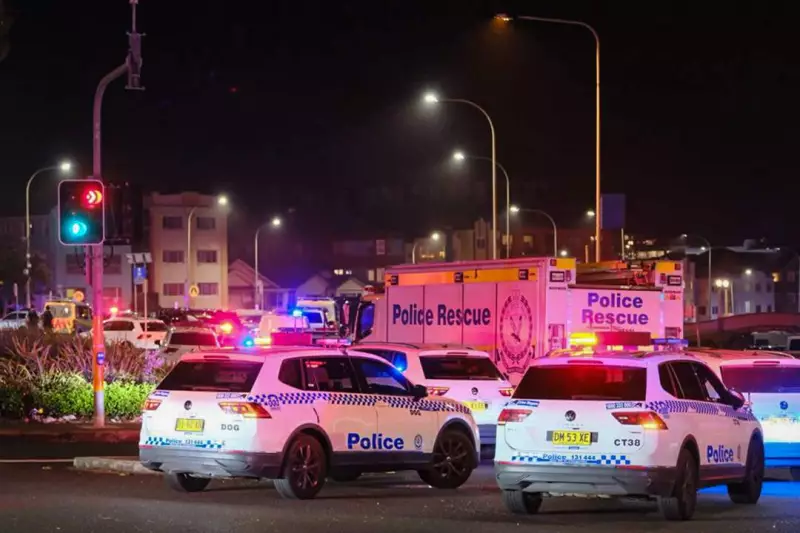
Australian Prime Minister Anthony Albanese has announced a major review of the nation's security and intelligence agencies. This urgent move follows a horrific terrorist attack at a Jewish festival on Sydney's famous Bondi Beach that left 15 people dead.
Details of the Deadly Bondi Beach Attack
The shocking incident occurred on December 14 during a Hanukkah celebration. According to authorities, a father and son opened fire on families gathered for the event. The attack is believed to have been inspired by the ideology of the Islamic State (ISIS).
Prime Minister Albanese, speaking on Sunday, December 21, stated the government would examine if security agencies possess the necessary powers, structures, and information-sharing protocols to protect citizens. "The ISIS-inspired atrocity last Sunday reinforces the rapidly changing security environment in our nation," Albanese said. "Our security agencies must be in the best position to respond."
The Accused Father and Son
The alleged gunman, identified as 50-year-old Sajid Akram, was shot and killed by police at the scene. An Indian national, Akram entered Australia on a visa back in 1998. His son, 24-year-old Naveed Akram, an Australian-born citizen, was injured and remains in hospital under police guard. He is facing a slew of charges, including terrorism-related offences and 15 counts of murder.
In a troubling revelation, it was disclosed that the younger Akram had been investigated by the Australian Security Intelligence Organisation (ASIO) in 2019 for potential radicalisation. At that time, he was assessed as not posing a threat. His father was also questioned during that review but later managed to obtain a gun licence, legally owning six firearms.
Philippines Trip and Ongoing Investigations
Authorities revealed that in the weeks before the attack, the pair had spent four weeks in the southern Philippines, specifically on the island of Mindanao. This trip is now under joint investigation by Australian and Philippine officials.
While Philippine authorities stated there is no evidence the country is being used to train extremists, police reviewing CCTV footage noted the father was seen visiting a gun shop during their stay. Staff at a hotel in Davao City reported the two men largely remained in their room during their 28-day visit.
Prime Minister Albanese addressed the radicalisation probe, noting the suspects were "not seen to be persons of interest" prior to the attack, which made the event "such a shocking event."
Calls for Review and Prevention
Criminologist Clarke Jones from the Australian National University described the case as "very, very unusual," highlighting the rarity of father-son co-perpetrators in such attacks. He suggested a need to examine whether the son, when first detected, should have been enrolled in a support program to prevent radicalisation.
The review ordered by PM Albanese is expected to focus intensely on intelligence assessments, monitoring processes, and the potential for earlier intervention. The goal is to determine if systemic failures contributed to one of the deadliest terror attacks in Australia's recent history and to prevent any future tragedies.