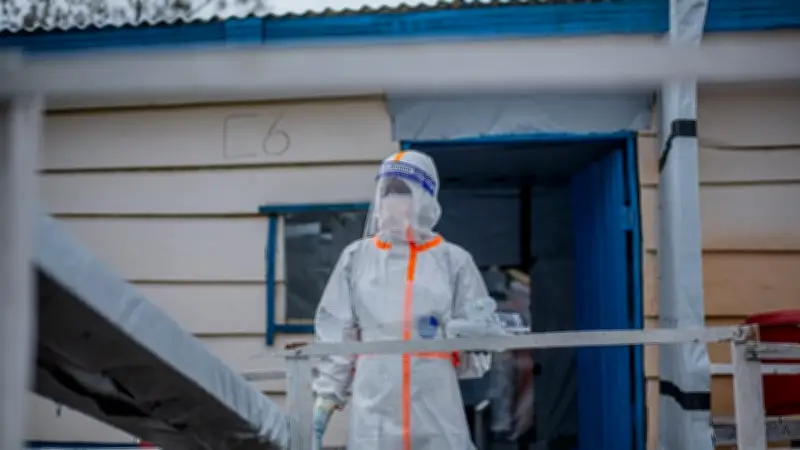
The World Health Organization (WHO) has issued a stark warning that the ongoing Ebola outbreak in the Democratic Republic of Congo (DRC) is spreading at an unprecedented rate, surpassing all previous outbreaks of the deadly virus. According to the WHO, more than 2,000 confirmed cases and 796 deaths have been recorded within just two months, making it the third-largest Ebola epidemic on record.
Unprecedented Speed of Transmission
Speaking at a press briefing, WHO Director-General Tedros Adhanom Ghebreyesus highlighted the alarming acceleration of the outbreak. He noted that the current outbreak reached over 2,000 confirmed cases in only two months, a milestone that took more than 10 months to achieve during the country's 2018–2020 Ebola outbreak. "In the past month, it has expanded faster than any previous outbreak," Tedros warned, emphasizing the critical need for immediate and intensified response efforts.
Outbreak Origins and Spread
The DRC declared its 17th Ebola outbreak on May 15, following several deaths reported in the northeastern province of Ituri, a mineral-rich region long plagued by armed conflict. Since then, confirmed cases have been detected across five provinces in the DRC, and the virus has also spread to neighbouring Uganda. The outbreak is caused by the Bundibugyo strain of the Ebola virus, a rare species for which no approved vaccine or specific treatment currently exists.
Challenges in Surveillance and Healthcare Access
Despite intensified response efforts by health authorities, significant gaps remain in surveillance and case detection. Tedros reported that more than 80% of new cases are being identified outside known contact lists, indicating that transmission chains are still being missed. He also pointed out that delayed access to healthcare is contributing to the rising death toll. "About two-thirds of deaths are occurring in communities among people who never received care in a health facility," he said.
Insecurity Hampering Response
One of the greatest challenges facing the Ebola response is the insecurity in affected areas. Tedros noted that ongoing armed conflict continues to hamper disease control efforts, describing the environment as complex and volatile. He disclosed that an Ebola treatment centre in Bunia, the capital of Ituri Province, was attacked on Wednesday, raising serious concerns about the safety of healthcare workers and the continuity of response operations.
Understanding Ebola
Ebola is a highly infectious viral disease transmitted through direct contact with the bodily fluids of infected people or contaminated materials. Symptoms include fever, severe weakness, vomiting, diarrhoea, and in severe cases, internal and external bleeding. The disease can be fatal without prompt medical care, underscoring the urgency of containing this rapidly spreading outbreak.