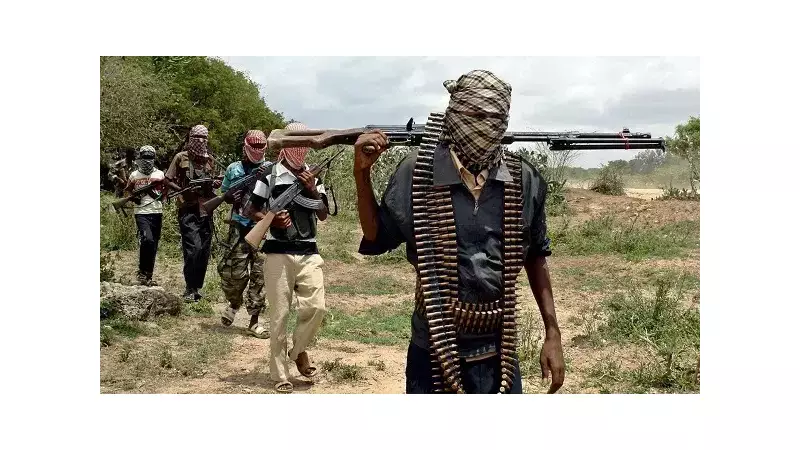
In a decisive move to confront the nation's security crisis, the Federal Government of Nigeria has officially declared kidnappers and violent armed groups operating nationwide as terrorists. This significant policy shift marks a major escalation in the official response to the widespread abductions, attacks on farming communities, and persistent violence plaguing many regions.
End of Ambiguous Labels, Start of Counterterrorism Response
The landmark announcement was delivered by the Minister of Information and National Orientation, Mohammed Idris, during the Federal Government's end-of-year press briefing held in Abuja on Monday, December 22. Idris stated that this new designation represents a clear departure from the previous approach of treating mass kidnappings and rural assaults as ordinary criminal acts.
"Henceforth, any armed group or individual that kidnaps our children, attacks our farmers, and terrorises our communities is officially classified and will be dealt with as a terrorist," the minister declared emphatically.
He explained that this decision finally puts to rest years of what he described as vague or unclear labels for the violent groups operating across Nigeria. "The era of ambiguous nomenclature is over. If you terrorise our people, whether as a group or an individual, you are a terrorist and will be classified as such. There is no name to hide under anymore," Idris added.
Implications for Security Operations and Diplomacy
The minister detailed that this reclassification is not merely symbolic. It is designed to strengthen intelligence sharing and improve operational coordination among the country's various security agencies. This enhanced framework is expected to allow for faster and more decisive military and law enforcement action against perpetrators of violence.
During the same briefing, Minister Idris also addressed the recent diplomatic tensions between Nigeria and the United States. The friction arose following comments by US President Donald Trump in October and November, where he claimed Nigerian Christians faced an "existential threat" and described the situation as "genocide" amidst the country's security challenges.
Idris reported that the disagreement has been largely resolved through diplomatic engagement. "The recent diplomatic spat with the United States has been largely resolved through firm and respectful engagement, culminating in a strengthened partnership between America and Nigeria," he stated.
Despite this resolution, Nigeria remains on the United States' list of Countries of Particular Concern regarding alleged violations of religious freedom. Furthermore, Nigeria was among several nations affected by new visa and immigration restrictions announced by the Trump administration last week.
A New Chapter in Nigeria's Security Strategy
This official terrorist designation is poised to redefine the legal and operational landscape of Nigeria's internal security operations. By moving bandits and kidnappers into the terrorism category, the government unlocks the potential for more robust military engagements, stricter financial sanctions on sponsors, and greater international cooperation in combating these threats.
The policy underscores the government's intent to treat the security of its citizens, particularly vulnerable populations in rural areas and schools, with the highest level of seriousness. The coming months will reveal the practical on-ground impact of this major policy declaration on the nation's enduring security challenges.