The United States Centers for Disease Control and Prevention has categorized the ongoing hantavirus outbreak as a 'Level 3' emergency response, which is the lowest level of emergency activation. This classification indicates that the risk to the general public remains low, and the situation is under active surveillance by the public health agency.
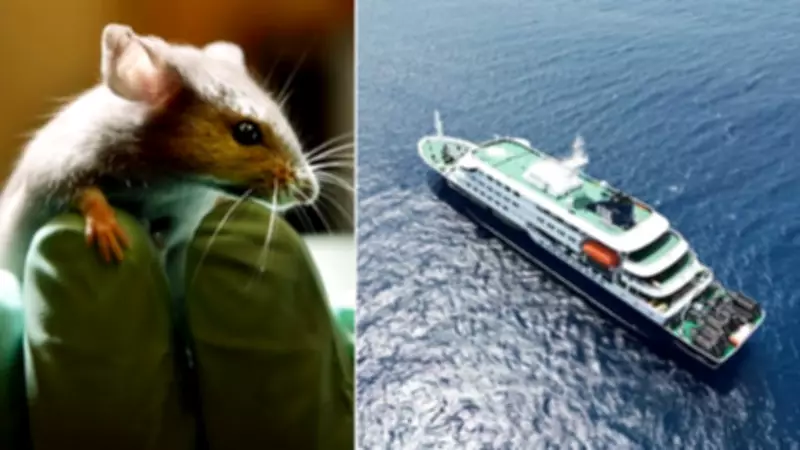
Activating the Emergency Operations Centers means that a dedicated emergency team has been established to support the response efforts. According to US News, global health authorities are working to contain an outbreak of hantavirus aboard the MV Hondius cruise ship.
The outbreak involves the Andes strain of hantavirus and has so far resulted in five confirmed cases, three suspected infections, and three deaths among passengers connected to the voyage, according to World Health Organization officials. The MV Hondius, carrying approximately 150 passengers and crew from 23 nationalities, departed from Argentina and crossed the Atlantic before reporting a cluster of respiratory illnesses while sailing off Cape Verde.
Hantaviruses are a family of viruses spread primarily by rodents, including rats and mice, causing severe respiratory or renal illnesses in humans. Humans become infected by inhaling virus particles from rodent urine, droppings, or saliva, often during cleaning activities. Symptoms begin with fever and muscle aches, progressing to severe pneumonia or kidney failure, with mortality rates reaching up to 50 percent.
Health authorities continue to monitor the situation closely and advise travelers to take precautions to avoid exposure to rodents and their droppings. The CDC emphasizes that the current risk to the general public remains low, but vigilance is necessary to prevent further spread.