Major Mosque Bombing in Islamabad Leaves 31 Dead and 169 Injured During Friday Prayers
A horrific bombing targeted the Shiite Khadija Al-Kubra mosque on the outskirts of Islamabad, Pakistan, during Friday prayers, resulting in a devastating loss of life and numerous injuries. Official reports confirm that at least 31 worshippers were killed and 169 others sustained injuries in the attack that has shocked the nation and drawn international condemnation.
Chaotic Scenes and Witness Accounts
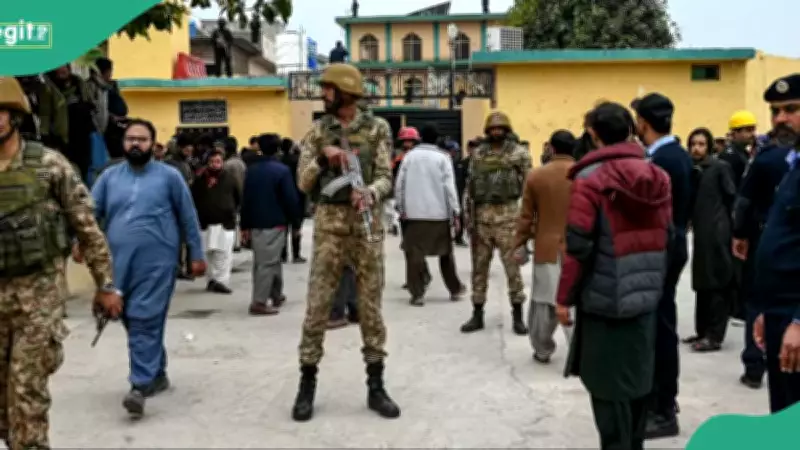
Witnesses described scenes of absolute chaos following the explosion that rocked the mosque during the sacred Friday prayer gathering. Hussain Shah, who was praying in the mosque courtyard at the time of the attack, recounted the terrifying moment when the blast occurred. "I immediately thought that some big attack has happened," he stated, describing how he entered the mosque to find bodies lying on the carpeted floor and people screaming desperately for help.
Shah estimated he saw approximately 30 bodies inside the mosque, with many more worshippers wounded and in need of immediate medical attention. Television footage and social media posts captured the frantic efforts of rescuers and local residents as they rushed the injured to nearby hospitals, with some victims reported to be in critical condition, raising concerns that the death toll could potentially increase.
Government Response and Investigation
Pakistani authorities responded swiftly to the tragedy, with Islamabad Deputy Commissioner Irfan Memon providing updated casualty figures shortly after initial reports emerged. President Asif Ali Zardari and Prime Minister Shehbaz Sharif both issued strong condemnations of the attack, extending their deepest condolences to the families of the victims.
"Targeting innocent civilians is a crime against humanity," declared President Zardari in his statement. Prime Minister Sharif ordered a comprehensive investigation into the bombing, emphasizing that "those who are responsible must be identified and punished." Interior Minister Mohsin Naqvi urged hospitals to provide the highest quality care possible for the wounded victims.
Security Concerns and Militant Threats
While no group has officially claimed responsibility for the bombing at the time of reporting, suspicion is expected to fall on militant organizations operating in the region. Security analysts note that groups such as the Pakistani Taliban or regional affiliates of the Islamic State have previously targeted Shiite communities in Pakistan, making them likely suspects in this devastating attack.
The bombing occurred during a period of heightened security concerns in Pakistan, with recent months witnessing an increase in attacks across the country targeting both security forces and civilians. The incident took place near an event attended by Uzbekistan's President Shavkat Mirziyoyev in Islamabad, though several miles separated the diplomatic gathering from the attacked mosque.
Medical Emergency and Community Response
Shiite leader Raja Nasir described the attack as a serious failure in protecting human life and appealed urgently for blood donations, noting that hospitals were experiencing critical shortages in the aftermath of the bombing. The medical emergency prompted calls for immediate assistance from both government authorities and community organizations as healthcare facilities worked to treat the large number of casualties.
This tragic event recalls previous major attacks in Islamabad, including the 2008 suicide bombing at the Marriott Hotel that killed 63 people. The mosque bombing follows closely on the heels of multiple attacks in Balochistan by the outlawed Baloch Liberation Army, which resulted in approximately 50 deaths and prompted security forces to eliminate more than 200 militants in response operations.
The Pakistani government faces mounting pressure to address the security challenges facing the nation while providing support to the victims and their families during this difficult period of national mourning and recovery.