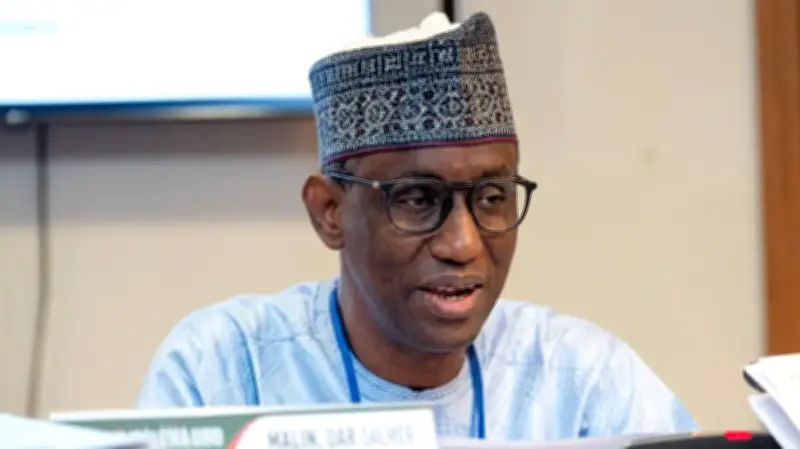
The National Security Adviser (NSA), Mallam Nuhu Ribadu, service chiefs, ministers, and other key stakeholders are expected to participate in the Nigeria Union of Journalists (NUJ) National Security Summit. The summit aims to strengthen collaboration between the media and security institutions in addressing Nigeria’s security challenges.
Summit Objectives and Participants
Speaking at a press briefing in Abuja on Wednesday, NUJ National President Alhassan Yahya announced that the summit, commencing on Thursday, was conceived in recognition of the critical role both the media and security agencies play in promoting peace, national unity, and stability. The summit is themed around media and security partnership in nation-building and will bring together journalists, security experts, government officials, development partners, and civil society organizations.
Yahya emphasized that national security remains a collective responsibility requiring the commitment and collaboration of all stakeholders. He noted that the media occupies a strategic position in shaping public discourse and fostering national cohesion.
“The decision to organise this summit is informed by the recognition that national security is a collective responsibility requiring commitment, cooperation and understanding of all stakeholders. The media and security institutions occupy a strategic position in shaping public discourse, promoting peace and strengthening national cohesion. As watchdogs of society, the media has a constitutional responsibility to inform, educate and hold authority accountable, while security agencies remain critical partners in protecting lives, maintaining peace and safeguarding the sovereignty of our nation,” he said.
Focus Areas of the Summit
The NUJ president explained that discussions at the summit would focus on responsible security reporting, combating misinformation and disinformation, protecting national interests while upholding press freedom, improving access to credible information, and strengthening collaboration between journalists and security institutions.
He stressed that the initiative was not intended to undermine media independence or interfere with the operational responsibilities of security agencies, but rather to deepen understanding and establish a framework for cooperation that would benefit Nigerians.
“NUJ believes that a well-informed society is a safer society. Journalists must continue to report security matters with accuracy, balance and sensitivity, while security agencies must appreciate the media as an essential partner in democratic governance and national development,” he added.
Presentations and Outcomes
Yahya disclosed that service chiefs, senior journalists, and security experts would deliver presentations at the summit. Papers would also be presented by a professor and the President of the International Press Institute (IPI), focusing on the role of journalists in promoting national security and responsible reporting. The Director-General of the Department of State Services (DSS) would also present a paper on fostering stronger partnerships between journalists and security agencies.
Responding to questions on whether the summit would produce a position paper for security authorities, Yahya said the gathering would establish a committee expected to develop practical recommendations and guidelines for journalists across the country. He stressed the need for journalists to view security reporting through the lens of national interest and national security.
“As journalists, we have a role to play. We must work closely with security agencies if we want to reduce insecurity in our country. We are partners, not adversaries,” he said.
Emerging Threats and Media Support
The NUJ president also raised concerns over emerging threats requiring urgent attention, including malnutrition and the growing influence of foreign interests in Nigeria’s media industry. According to him, childhood malnutrition remains a significant security concern because of its long-term social and economic consequences.
“Children who suffer severe malnutrition may survive, but they may grow up unable to contribute meaningfully to society. Such conditions can fuel social instability and insecurity in the future,” he said.
Yahya called on the government to provide support for struggling media organisations, noting that many media houses are grappling with poor remuneration, inadequate equipment, and other operational challenges. He argued that stronger media institutions would contribute significantly to national development and democratic governance.
On concerns that media reports sometimes amplify the activities of terrorists and criminal groups, the NUJ president said journalists must balance the public’s right to information with the need to protect national security.