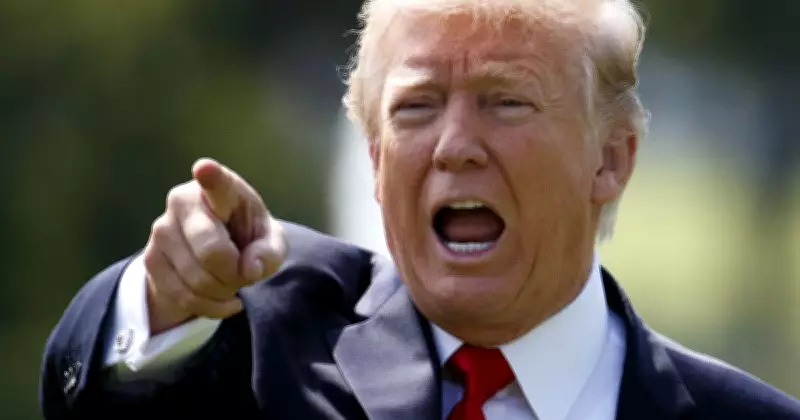
President Donald Trump has directed the United States Navy to employ lethal force against any vessel suspected of deploying sea mines in the Strait of Hormuz, marking a significant escalation in the ongoing tensions between the United States and Iran. In a statement released on his official platform, Trump ordered naval forces to “shoot and kill any boat” found placing mines in this critical waterway, emphasizing that there should be “no hesitation” in executing the directive.
Strategic Waterway Under Threat
The Strait of Hormuz is one of the world's most vital maritime chokepoints, handling a substantial portion of global oil shipments. Any disruption in this region has immediate repercussions for international energy markets and shipping operations. Trump confirmed that US naval forces are actively conducting mine-clearing operations in the area, with plans to intensify these efforts to “a tripled up level” to ensure safe passage for vessels.
Escalating US-Iran Tensions
The directive comes amid heightened hostilities in the Middle East, with the United States accusing Iran of attempting to disrupt maritime traffic through the use of sea mines. Iran has not yet formally responded to the latest order. The Strait of Hormuz, located between Iran and Oman, is widely recognized as a choke point for global energy supplies, with millions of barrels of oil passing through it daily. Any escalation in the region is closely monitored by global markets due to its potential to trigger spikes in oil prices.
Risk of Direct Confrontation
The order also raises concerns about the risk of direct confrontation between US and Iranian forces. Increased military activity in the area heightens the chances of miscalculation and accidental engagement. While the US has previously bolstered its naval presence in the region, the explicit authorization of lethal force signals a more hardline approach to securing the route.
Global Implications
This development is expected to draw international attention in the coming days, as governments and energy markets assess the potential impact on global stability and oil supply chains. The Strait of Hormuz remains a focal point for geopolitical tensions, and any further escalation could have far-reaching consequences for the global economy.