U.S. Embassy Suspends Abuja Visa Appointments Amid Heightened Security Concerns
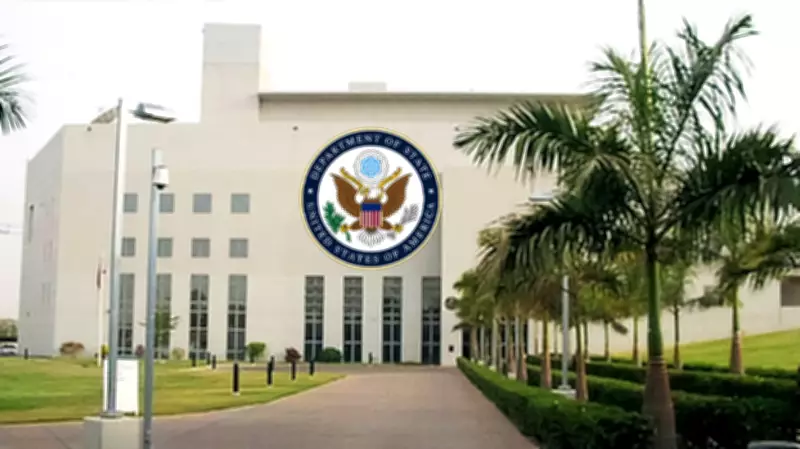
The United States Embassy in Abuja has abruptly suspended all visa appointments, directing affected applicants to await further instructions via email. This decision follows a travel advisory from the U.S. Department of State, which urges American citizens to reconsider travel to Nigeria due to risks including crime, terrorism, kidnapping, and civil unrest. While visa operations at the U.S. Consulate General in Lagos continue without disruption, the move underscores growing international alarm over Nigeria's security situation.
Fresh Terror Attacks Fuel Worsening Insecurity
In a devastating overnight raid in Benisheikh, Borno State, Boko Haram and Islamic State of West African Province (ISWAP) terrorists launched a coordinated assault on a military base, resulting in the deaths of Brigadier General Oseni Braimah and at least 14 soldiers. The attack destroyed armor tanks and operational vehicles, highlighting the persistent threat posed by extremist groups. This incident occurs just weeks after Nigeria was ranked as the fourth most affected country by terrorism globally, with a 46 percent increase in terrorism-related deaths in 2025 under President Bola Tinubu.
The U.S. travel advisory has expanded its Level 4 list to include Plateau, Jigawa, Kwara, Niger, and Taraba states, alongside other northern regions like Borno, Yobe, Kogi, and northern Adamawa, where terrorism and kidnapping risks remain elevated. Southern states, including Abia, Anambra, Bayelsa, Delta, Enugu, Imo, and Rivers, are also flagged due to widespread crime and unrest. The advisory warns that violent crimes such as armed robbery and kidnapping are prevalent, with U.S. citizens often targeted, and terrorist attacks could occur at public gatherings.
Federal Government Downplays Security Threats
In response to the U.S. advisory, the Federal Government has described it as a routine precaution, not reflective of Nigeria's overall security situation. A statement from the Federal Ministry of Information and National Orientation, signed by Rabiu Ibrahim, Special Assistant to Minister Mohammed Idris, reassured citizens and international partners that public institutions remain fully operational. The government emphasized that there is no general breakdown of law and order, citing recent efforts to disrupt criminal networks and improve safety in vulnerable communities.
Military Confirms Casualties Amid Ongoing Violence
The Defence Headquarters confirmed that insurgents attempted to breach the defensive perimeter of the 29 Task Force Brigade in Benisheikh, resulting in casualties among troops. Major General Michael Onoja, a Defence Headquarters spokesman, stated that the attack occurred early Thursday morning, with troops responding courageously to force the attackers to retreat. However, the military did not confirm specific details about the death toll or the reported killing of Brigadier General Braimah.
Meanwhile, violence continues to surge across northern Nigeria, with at least 90 people killed in remote villages this week, according to an AFP tally. In Niger State, coordinated attacks in the Shiroro Local Government Area left over 60 people dead, including more than 40 security operatives. These incidents underscore the escalating conflict, with groups affiliated with Al-Qaeda and the Islamic State group increasingly active in the region.
Political Reactions and Leadership Criticisms
President Bola Tinubu expressed deep sorrow over the killing of soldiers in Borno State, commending their bravery and reaffirming the government's commitment to restoring peace. In a statement issued by Special Adviser on Information and Strategy, Bayo Onanuga, Tinubu urged military personnel to remain resolute and professional.
Conversely, former Vice President Atiku Abubakar's spokesman, Phrank Shuaibu, criticized Tinubu for what he termed "absentee leadership." Shuaibu highlighted Tinubu's brief visit to Plateau State after a terrorist attack and his perceived lack of engagement during a working visit to Lagos, arguing that such behavior reflects a detachment from governance responsibilities amid worsening insecurity.
As Nigeria approaches the 2027 general elections, these security challenges and political tensions raise critical questions about the nation's stability and leadership effectiveness in addressing ongoing threats.