Nigerian basketball presents a paradox: the sport has flourished on the international stage even as its administrative body, the Nigeria Basketball Federation (NBBF), remains mired in persistent crises. With the NBBF general elections approaching on October 15, 2026, stakeholders are calling for unity and adherence to sportsmanship to unlock the game's full potential.
Dominance Amidst Turmoil
Over the past two decades, Nigeria has established itself as Africa's most successful basketball nation. The senior men's team, D'Tigers, made history in 2021 by becoming the first African team to defeat the United States, winning an exhibition match 90-87 in Las Vegas. They also secured Nigeria's first qualification for both men's and women's teams to the same Olympic Games (Tokyo 2020) and were the first African team to qualify for the FIBA Men's World Cup.
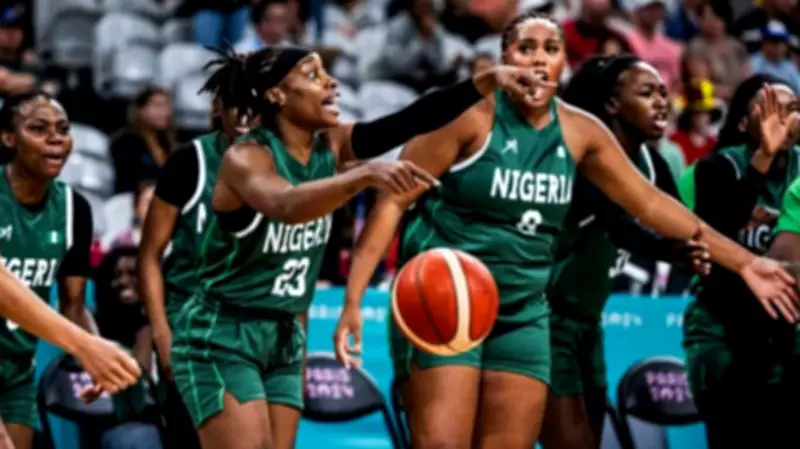
The women's team, D'Tigress, has been even more dominant. They are the first African team—male or female—to reach the Olympic quarterfinals (Paris 2024) and to break into the global top 10, ranking eighth in the world. These achievements, however, have been realized despite a decade-long power struggle within the NBBF, marked by factional disputes, leadership tussles, and government interference.
The Root of the Crisis
The NBBF has suffered from bitter divisions, with rival factions holding parallel elections and disputes over tenure extensions. The current board, led by Musa Kida, faced accusations of attempting to extend its tenure beyond its constitutional limit. The world basketball governing body, FIBA, intervened, ruling that the board's tenure ends on October 15, 2026, and that elections must be concluded after the 2026 FIBA Women's Basketball World Cup (ending September 13, 2026). The new board is expected to assume office by October 16, 2026.
FIBA emphasized that elections must follow the NBBF statutes and its own regulations to ensure transparency and credibility. This directive aims to prevent past crises that led to Nigeria's withdrawal from the FIBA Women's Basketball World Cup and subsequent sanctions.
Stakeholders Call for Fairness
Despite FIBA's ruling, skeptics fear prolonged crisis unless the federal government ensures fair elections. Igoche Mark, a basketball promoter and candidate for NBBF president, believes the crisis stems from competing visions for development. He advocates for a structure that channels diverse views into constructive dialogue, focusing on player development, infrastructure, and international competitiveness.
Mark urges the government to act as a facilitator, providing stable policies and supporting facilities without interfering. He calls for a code of conduct among stakeholders—players, coaches, state associations, sponsors, and former administrators—to prioritize the game. Regular consultative forums, respect for the NBBF constitution, and emphasis on youth programs can reduce friction.
For the October 15 elections to succeed, Mark stresses transparency: clear communication of timelines and eligibility, inclusion of all recognized state associations, and strict adherence to due process. If upheld, the winner will have a stronger mandate to unite the basketball family.
Different Perspectives
Felix Awogu, a current NBBF board member, denies a leadership crisis, attributing issues to ego clashes. He encourages stakeholders to find common ground and emphasizes the need for a properly constituted electoral board open to all eligible aspirants.
An anonymous basketball family member, however, blames the crisis on individuals who treat the federation as their private property. He calls for open elections with a clear timeline to select leaders who will not act arbitrarily.
Looking Ahead
As the elections draw near, the basketball community hopes that stakeholders will embrace the spirit of sportsmanship, ensuring a peaceful transition and sustained success for Nigerian basketball on the global stage.