NBF vs NBBofC: A Boxing Ring on Shaky Canvas
The persistent feud between the Nigerian Boxing Federation (NBF) and the Nigerian Boxing Board of Control (NBBofC) shows no signs of resolution, threatening to deplete boxing's fortunes and destabilize the country's status in the sport. This crisis has sparked protests and raised concerns about the future of both amateur and professional boxing in Nigeria.
Historical Context and Divisions in Boxing
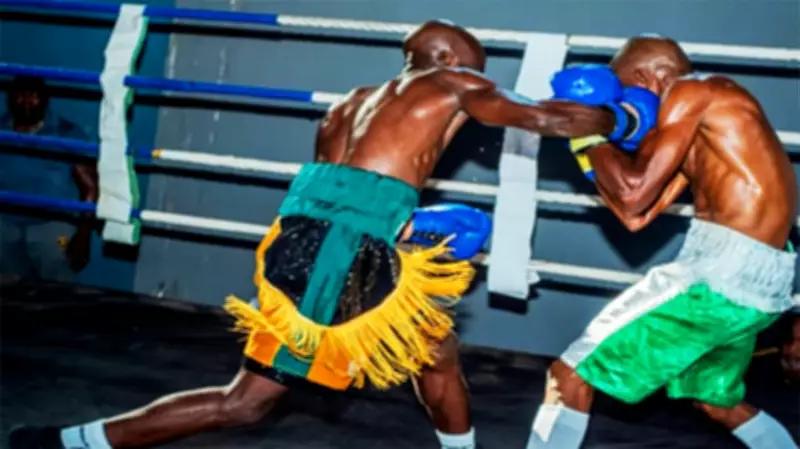
Amateur and professional boxing are often viewed as distinct sports due to their differing objectives. Amateur boxing, or Olympic-style boxing, prioritizes scoring points and technical precision, with fighters typically engaging in three to four rounds while wearing headgear and larger gloves. In contrast, professional boxing emphasizes power, damage, and entertainment, featuring bouts ranging from four to twelve rounds without headgear and with smaller gloves, focusing on knockouts and championships.
Over the years, Nigeria has excelled in both arenas. The country won its first Olympic medal, a bronze, through Nojeem Maiyegun at the 1964 Tokyo Games, breaking a 12-year medal drought. Since then, Nigeria has secured additional medals, including silvers from Peter Konyegwachie in 1984 and David Izonritei and Richard Igbineghu in 1992. In the professional ranks, iconic boxers like Dick "Tiger" Ihetu, Samuel Peters, and Hogan "Kid" Bassey have emerged, many transitioning from amateur backgrounds to achieve global success.
The Current Crisis and Protests
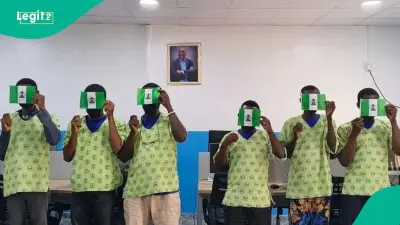
Recently, protests erupted in Lagos, with professional boxers alleging that the NBF is interfering in their affairs. The protesters, primarily members of the Progressive Professional Boxers Association of Nigeria (PPBA), accuse the NBF of using its proximity to the Presidency—through chairman Wale Edun, a former Minister of Finance—to usurp the functions of the NBBofC. They specifically point to NBF Vice Chairman Imonlei Yakubu Imadu, who runs Yucateco Boxing Promotions, as attempting to take over the NBBofC through indirect means.
The protesters warn that this conflict threatens the future of professional boxing in Nigeria, citing the removal of scheduled fights involving Nigerian boxers from the global records platform BoxRec as a direct consequence. They argue that unauthorized individuals are using the NBF as a cover to interfere, jeopardizing careers and tarnishing Nigeria's international boxing reputation. Sikiru Shogbesan, secretary of the PPBA, emphasized the impact on livelihoods, stating, "Boxing is the only source of our living; hence, we don't want anyone with his inordinate ambition to toy with our source of livelihood."
Responses from Key Stakeholders
NBF Technical Director Babatunde Laguda attempted to distance the federation from the crisis, describing it as a personal battle between an individual and the NBBofC. He noted that the protests target a specific person rather than the NBF as an institution. In contrast, NBBofC President Rauf Ladipo criticized those perpetuating the conflict for not understanding the distinction between amateur and professional boxing. He stressed that professional boxing is regulated by different bodies with global affiliations and must maintain separate governance.
Former Director-General of the National Sports Commission, Dr. Amos Adamu, highlighted the importance of respecting established structures, noting that professional boxing requires licenses from the NBBofC and adherence to specific rules to ensure safety and professionalism. Imadu, however, dismissed the crisis as a non-issue, asserting that the NBF has no official communication with the NBBofC and is focused on reforms, such as automating databases and holding open trials for national representation.
Implications and Call for Resolution
This feud underscores deeper governance issues within Nigerian boxing, with potential long-term effects on athlete development and international competitiveness. The conflict has already led to practical disruptions, such as fights being delisted from global platforms, and risks further eroding trust in the sport's administration. Stakeholders urge swift consensus to restore order and ensure boxing thrives without further disruption, emphasizing the need for clear regulatory boundaries and collaborative efforts to support both amateur and professional pathways.