FIFA Announces Seven African Referees for 2026 World Cup, Excluding Controversial Figures
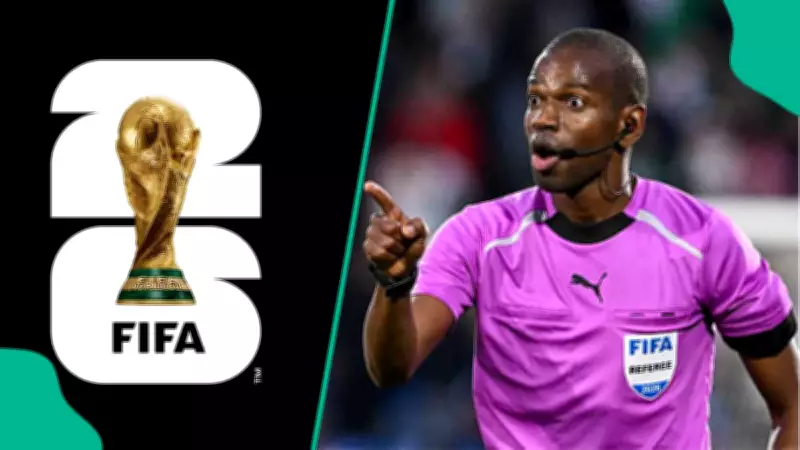
The global football governing body, FIFA, has officially confirmed the selection of seven African referees for the highly anticipated 2026 FIFA World Cup, set to be hosted across the United States, Mexico, and Canada. This announcement marks a significant moment for African football representation on the world's biggest sporting stage, while simultaneously generating controversy due to notable omissions from the final list.
Confirmed African Referees for the 2026 Tournament
The seven officials who have earned the prestigious assignment to represent Africa at the 2026 World Cup are:
- Mustapha Ghorbal (Algeria) - Recognized for his calm demeanor and excellent handling of high-pressure matches, Ghorbal has steadily climbed through the ranks of Confederation of African Football (CAF) competitions.
- Amin Mohamed (Egypt) - A veteran official with extensive experience in African club tournaments, Mohamed brings both technical expertise and composure to the global stage.
- Pierre Atcho (Gabon) - Atcho has gained attention across the continent for his fair and consistently balanced officiating in both league matches and continental games.
- Jalal Jayed (Morocco) - Representing the host nation of the 2025 Africa Cup of Nations, Jayed is well-versed in managing high-stakes matches under intense scrutiny.
- Dahane Beida (Mauritania) - A rising referee with a growing reputation for strict yet balanced decision-making, Beida represents the new generation of African officials.
- Tom Abongile (South Africa) - Abongile's extensive expertise in CAF competitions has established him as a trusted and respected figure within African football circles.
- Omar Artan (Somalia) - The Somali official has impressed football authorities with his remarkable composure and control in both domestic competitions and regional tournaments.
These seven referees have demonstrated exceptional performance in continental competitions and will now have the opportunity to showcase African officiating standards on football's most prominent global platform.
Notable Absences Spark Controversy
The FIFA announcement has generated significant discussion across African football communities due to the exclusion of several high-profile referees who were involved in controversial incidents during recent CAF competitions. The most notable omissions include:
Jean-Jacques Ndala (DR Congo) - Ndala officiated the highly contentious 2025 Africa Cup of Nations final between Senegal and Morocco. His decisions during that match, including disallowing a Senegalese goal and awarding a penalty to Morocco, led to a dramatic walkout by the Senegalese national team, known as the Teranga Lions. Although CAF did not impose sanctions against him, FIFA has decided to exclude him from the 2026 World Cup roster, sparking widespread debates across African football forums and media outlets.
Issa Sy (Senegal) - The Senegalese referee was involved in controversy during a CAF Champions League clash between Egyptian giants Al Ahly and Tunisian powerhouse Espérance Sportive de Tunis. Sy allegedly used a red card to threaten players during that match, creating significant controversy. FIFA's decision to drop him from World Cup consideration represents a substantial setback for the experienced official's international career.
Daniel Laryea (Ghana) - Laryea officiated Nigeria's semifinal match against Morocco at the 2025 Africa Cup of Nations. His performance in that crucial game received mixed reviews, with many football fans and even some Super Eagles players criticizing him for inconsistent calls and questionable decisions throughout the match.
The Road Ahead for African Football Officiating
The 2026 FIFA World Cup promises to be historic not only for its expanded format featuring 48 teams but also for the African referees who will step onto the global stage with the opportunity to demonstrate their capabilities. With seven officials officially confirmed, Africa's representation remains strong and significant within the international football community.
However, the absence of Ndala, Sy, and Laryea serves as a powerful reminder that top-level performance, professional conduct, and decision-making consistency remain under constant evaluation by global football authorities. The selected African referees now face the challenge of proving their abilities on football's most scrutinized platform, while those left out of the selection may need to focus on rebuilding their reputations for future international tournaments.
This development highlights FIFA's ongoing commitment to maintaining high officiating standards while ensuring that referees with controversial histories face appropriate consequences in their international career progression. The decisions reflect the organization's careful balancing act between recognizing continental talent and upholding the integrity of global football competitions.