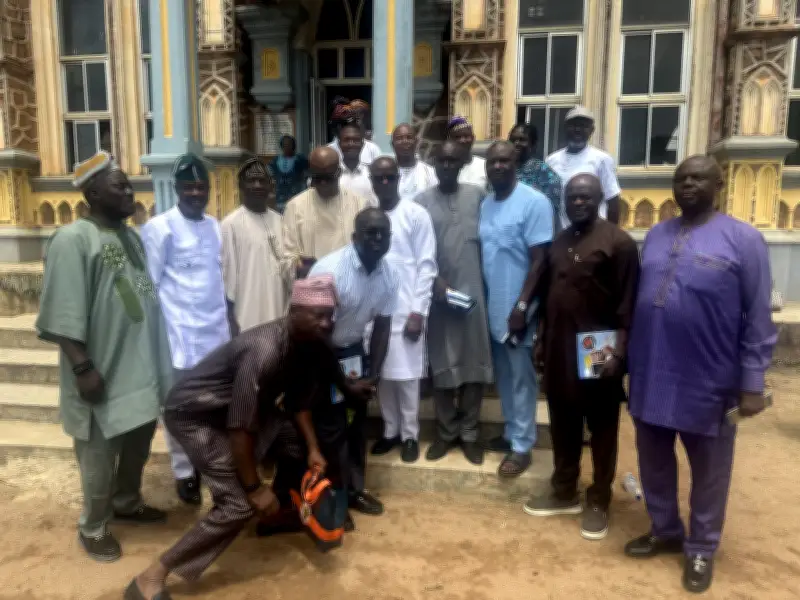
Former Super Eagles head coach and Nigeria Football Federation Technical Director Adegboye Onigbinde was laid to rest on Friday in Modakeke, Osun State, as leading figures from Nigerian football, government, and traditional institutions gathered to honor one of the country's most influential indigenous coaches. The octogenarian, who died in March at the age of 88, was buried after a funeral service at Saint Stephen's Cathedral, Modakeke, attended by former international players, football administrators, traditional rulers, political leaders, and community members.
Pioneering Achievements in Nigerian Football
Onigbinde remains a landmark figure in Nigerian coaching history. He became the first indigenous coach to lead Nigeria to the final of the Africa Cup of Nations when the Green Eagles finished runners-up to Cameroon at the 1984 tournament in Côte d'Ivoire. Eighteen years later, he became the first Nigerian coach to lead the Super Eagles at the FIFA World Cup, taking charge at the 2002 tournament in South Korea and Japan. He also served as Technical Director of the NFF and later worked as a FIFA technical instructor, with additional assignments including a stint as technical adviser to the Trinidad and Tobago Football Association.
Eguavoen Leads Tributes at Burial
Former Super Eagles captain and current NFF Technical Director Augustine Eguavoen, who represented the federation at the burial, paid glowing tribute to Onigbinde's legacy. "The NFF recognizes and appreciates the service of late Chief Onigbinde to our country. He was very energetic and rose to the pinnacle of the profession by dint of hard work, dedication and discipline. He was a towering figure in coaching globally," Eguavoen said. "He was the first Nigerian to lead our Eagles to win silver medals at the Africa Cup of Nations, and also became the first Nigerian to lead them at the FIFA World Cup. Even after retirement, he continued to impact highly by serving as a resource person during NFF coaching programmes. His legacy is stout and impressive. The nation will miss him, but we pray for the repose of his soul and for God to comfort the family he has left behind and the Nigeria Football family as a whole."
Club Success and Coaching Advocacy
The late coach was widely associated with Shooting Stars Sports Club of Ibadan, where he enjoyed some of his most successful years in club football. Throughout his career, he remained an advocate for coaching education and greater opportunities for indigenous coaches. His appointment for the 2002 World Cup, though ending in group-stage elimination after matches against Argentina, Sweden, and England, demonstrated that an indigenous coach could lead the national team at the world's biggest football tournament.
Mourners and NFF Support
Among those at Friday's ceremony were former NFF General Secretary Fanny Amun, NFF Director of Communications Ademola Olajire, former Super Eagles midfielder Mutiu Adepoju, representatives of the Osun State Government, traditional rulers, former international players, and former players of Shooting Stars. Former Nigeria winger Felix Owolabi, a member of the NFF Technical and Development Committee, also attended. The NFF said it provided financial support to the family as part of the funeral arrangements.
Enduring Legacy
Following his retirement from active coaching, Onigbinde remained involved in football development, regularly participating in coaching programmes and technical discussions organized by the NFF. His burial in Modakeke brought together several generations of Nigerian football figures, underscoring the influence of a coach whose career spanned club football, the national team, and international technical development.