AFCON 2025: A Tournament of Contrasts in Morocco
The 2025 African Cup of Nations, hosted by Morocco, concluded a week ago, leaving behind a complex legacy of brilliance and controversy. As an observer following events from Nigeria, the championship presented a fascinating study in modern football administration and on-field drama.
The Glorious Organization
From all accounts, Morocco delivered an exceptional organizational framework for AFCON 2025. The host cities demonstrated remarkable safety standards while maintaining enchanting atmospheres that welcomed fans and officials alike. The logistical arrangements proved seamless, with efficient transportation systems connecting venues and state-of-the-art facilities available for spectators, media personnel, and players.
The tournament's infrastructure received universal praise, featuring world-class playing surfaces and hospitality services that elevated the African football experience. Media coverage reached unprecedented levels of professionalism, while the online visa procurement system offered visitors free and straightforward access. Until the final days, the consensus suggested Morocco had created a perfect dress rehearsal for their upcoming 2030 FIFA World Cup hosting duties.
The Moroccan Ambition
As Africa's highest-ranked team entering the tournament, Morocco carried the natural expectation of home advantage. Their decades-long unbeaten record on home soil fueled legitimate aspirations for championship glory. The Moroccan supporters created electrifying atmospheres, out-singing and out-dancing opposition fans throughout the competition.
However, this home advantage inevitably raised questions about potential preferential treatment. Some observers wondered whether tournament organizers might have engaged in subtle manipulations to ensure Moroccan success. These concerns, while understandable in competitive sports, ultimately proved unfounded upon closer examination.
The Refereeing Controversy
The championship maintained relatively controversy-free proceedings until the dramatic final match between Morocco and Senegal. Here, Video Assistant Referee decisions became central to the narrative, with two critical calls favoring the host nation.
First, a Senegalese goal was disallowed due to a slight pushing infringement detected by VAR. While the contact appeared minimal and possibly exaggerated, technical rules dictated the decision. Later, a penalty awarded to Morocco following another soft foul created further debate about consistency in officiating standards.
These decisions, while technically justifiable under football's current interpretation guidelines, highlighted the subjective nature of modern officiating. The inconsistency in applying VAR throughout the tournament became particularly evident during these crucial moments.
The Ugly Finale
The championship's most regrettable scenes unfolded as Senegalese frustration boiled over. Angry supporters breached security barriers to invade the pitch, while players initially followed their coach's ill-advised decision to walk off the field. This protest threatened to force Senegal's forfeiture and potentially severe sanctions.
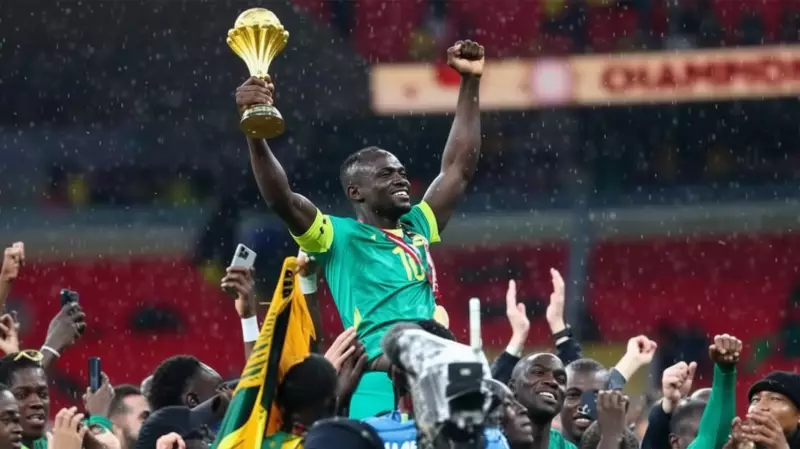
Salvation arrived through veteran forward Sadio Mane's remarkable composure. Alone among his teammates, Mane remained on the pitch, understanding the catastrophic consequences of abandonment. His leadership eventually persuaded the team to return and complete the match, though the psychological damage had already taken its toll.
Justice Served on the Pitch
In a dramatic twist, Morocco's penalty kick—awarded amid such controversy—became one of the poorest attempts in recent memory. The pressure-cooked atmosphere seemingly affected the Moroccan player, whose weak effort sailed harmlessly to the Senegalese goalkeeper.
This outcome allowed football justice to prevail organically. Senegal, who had demonstrated slightly superior performance throughout the grueling final, ultimately claimed their deserved victory. The Teranga Lions' triumph prevented what might have become a permanent stain on the tournament's legacy had Morocco won through controversial means.
Overall Assessment
Despite the final match controversies, AFCON 2025 represented a significant advancement for African football. Morocco's organizational excellence set new standards for continental tournaments, while the quality of football displayed throughout exceeded expectations.
The Confederation of African Football demonstrated improved administrative capabilities, though referee selection and training processes require further refinement. The championship's ultimate success lies in its ability to generate global attention while showcasing Africa's footballing talent and organizational potential.
As the dust settles, AFCON 2025 will be remembered both for Morocco's superb hosting and the dramatic final that tested football's integrity—with the beautiful game ultimately emerging victorious.