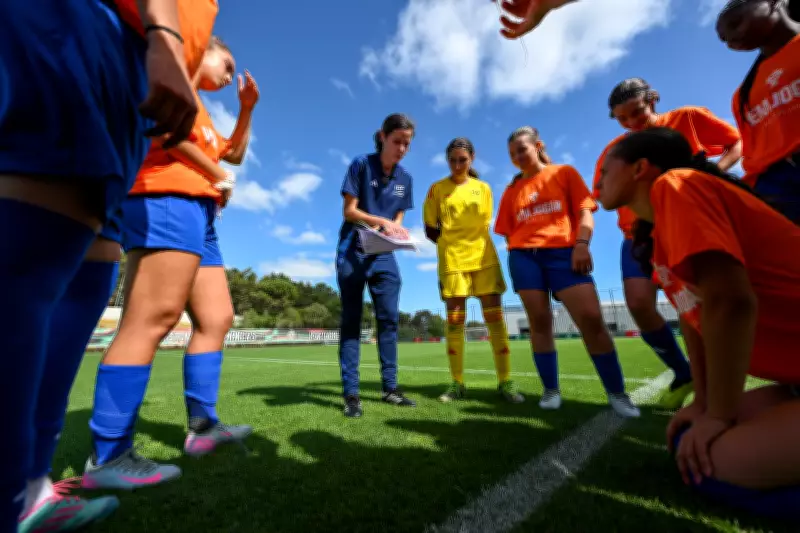
FIFA Mandates Female Coaches for Women's Teams in New Gender Equality Push
The global football governing body, FIFA, has unveiled groundbreaking new regulations that require all teams participating in women's football tournaments to include female coaches. This strategic move is specifically designed to enhance gender representation on the sidelines and create more equitable opportunities within the sport.
New Coaching Requirements and Implementation Timeline
Under the freshly established rule, every team must have at least one female head coach or assistant coach as part of their technical staff. Additionally, a minimum of two female staff members must be present on the bench during all official matches. This directive is set to take effect immediately at upcoming competitions, including the Under-17 and Under-20 Women's World Cups, as well as the prestigious Women's Champions Cup.
The decision received formal approval from the FIFA Council as part of broader, comprehensive efforts to strengthen female participation in coaching roles across both youth and senior levels. This initiative encompasses club competitions, national team tournaments, and various developmental leagues worldwide.
Addressing the Gender Gap in Football Coaching
Statistics from the 2023 Women's World Cup highlighted a significant gender disparity that this new policy aims to correct. Out of the 32 participating teams, only 12 were led by female head coaches, revealing a substantial imbalance in coaching opportunities at the highest levels of women's football.
FIFA's Chief Football Officer, Jill Ellis, emphasized that this regulatory change is intended to accelerate transformative progress within the sport. "There are simply not enough women in coaching positions today. We must create clearer pathways, expand professional opportunities, and increase visibility for women on our sidelines," Ellis stated. She further explained that these new regulations, when combined with existing development programs, represent a substantial investment in cultivating the next generation of female football coaches.
Expected Impact and Future Projections
FIFA anticipates that this policy will drive a noticeable and measurable increase in female representation ahead of major international tournaments, particularly the 2027 Women's World Cup scheduled to be hosted in Brazil. The organization projects that more women will assume leadership roles in technical areas, thereby inspiring greater participation at grassroots and professional levels.
Prominent Female Coaches and Their Perspectives
Among the notable figures in women's football coaching is Emma Hayes, who currently leads the United States women's national team alongside assistant Denise Reddy. Hayes has previously described the shortage of female coaches in English football as a "massive issue," urging football administrators to adopt more innovative and inclusive solutions.
Other distinguished female coaches making significant contributions include Gemma Grainger (Norway), Casey Stoney (Canada), and Carla Ward (Republic of Ireland). Rhian Wilkinson recently guided Wales to their first major tournament appearance, while Sarina Wiegman has led England to consecutive European titles and has won the FIFA Best Women's Coach award four times.
Wiegman was the only female coach to reach the quarter-final stage of the 2023 Women's World Cup, further underscoring the imbalance that the new FIFA policy seeks to address. "We hope to see more female coaches at the top level and a better balance overall," Wiegman commented. "That will undoubtedly inspire more women to get involved in coaching and pursue careers in football leadership."
The implementation of these regulations marks a pivotal moment in football's ongoing journey toward gender equality, with FIFA taking concrete steps to ensure that women have equal opportunities to shape the future of the sport they help to popularize and excel in.