Iran Threatens 2026 World Cup Boycott Amid Military Strikes
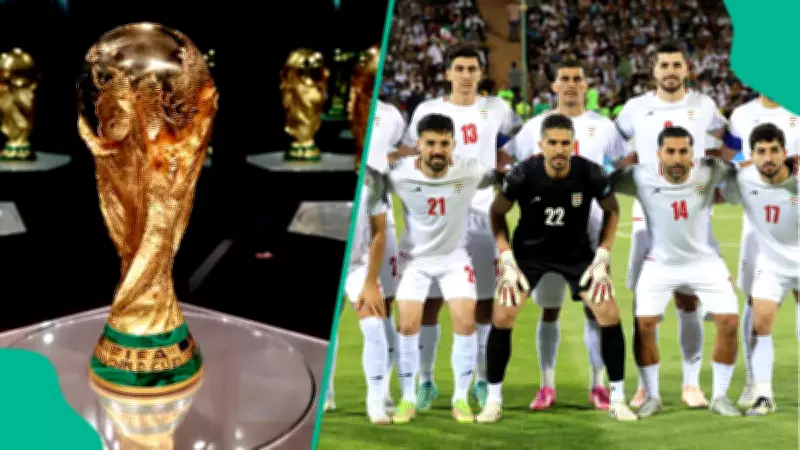
The Islamic Republic of Iran is reportedly considering a boycott of the 2026 FIFA World Cup, scheduled to be hosted across the United States, Mexico, and Canada. This potential withdrawal follows joint military airstrikes conducted by the United States and Israel against Iranian targets on February 28, 2026.
Official Confirmation and Political Context
Mehdi Taj, President of the Iran Football Federation, confirmed that the boycott is under serious consideration, though the final decision rests with the nation's sports ministry. Taj made this statement on the first day of the ongoing airstrikes, which have reportedly resulted in significant casualties, including the death of Supreme Leader Ayatollah Ali Khamenei and other high-ranking officials.
The conflict is expected to persist for at least four weeks, according to statements from US President Donald Trump, further complicating Iran's participation in global sporting events. If Iran proceeds with the boycott, it would mark a significant political statement through sports diplomacy.
Historical Precedents: Nine Nations That Previously Boycotted
Iran's potential boycott would place it among nine other countries that have historically withdrawn from the FIFA World Cup since its inception in 1930. These boycotts have occurred for various political, financial, and sporting reasons.
- Uruguay: The inaugural World Cup champions boycotted the 1934 tournament in Italy and the 1938 edition in France. Their protest stemmed from European nations' refusal to participate in the first World Cup held in Uruguay.
- The United Kingdom: England, Scotland, Ireland, and Wales collectively boycotted the 1934 World Cup, prioritizing their domestic Home Championship. Scotland also withdrew from the 1950 tournament after failing to win the Home Championship.
- Argentina: Alongside Uruguay, Argentina boycotted the 1938 World Cup after expecting hosting rights to alternate between Europe and South America, which did not occur.
- India: India withdrew from the 1950 World Cup in Brazil, citing the tournament's perceived unimportance, despite qualifying as Asia's sole representative.
- Turkey: Financial constraints prevented Turkey from participating in the 1950 World Cup, as they could not afford to send their team across the Atlantic.
- USSR: The Soviet Union boycotted the 1974 World Cup after refusing to play a playoff match in Chile following a military coup, leading to a controversial forfeit.
- All African Nations: In a unified protest, every African country boycotted the 1966 World Cup in England, citing FIFA's failure to grant direct qualification slots to African teams.
FIFA's Response to Regional Instability
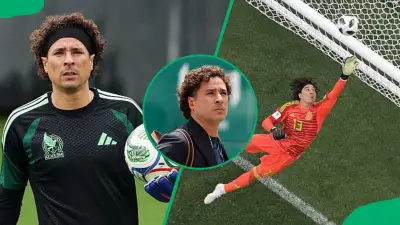
FIFA has previously addressed security concerns in host nations, such as violence in Mexican cities like Guadalajara. While fans speculated about stripping Mexico of hosting rights, FIFA emphasized that such measures would be a last resort, indicating a cautious approach to geopolitical issues affecting the tournament.
The potential Iranian boycott underscores the intersection of international politics and sports, highlighting how global conflicts can influence participation in premier sporting events. As the situation develops, the football world watches closely to see if Iran will join the historical list of boycotting nations.