Iranian Women's Football Team Faces Dire Threats After Asian Cup Exit
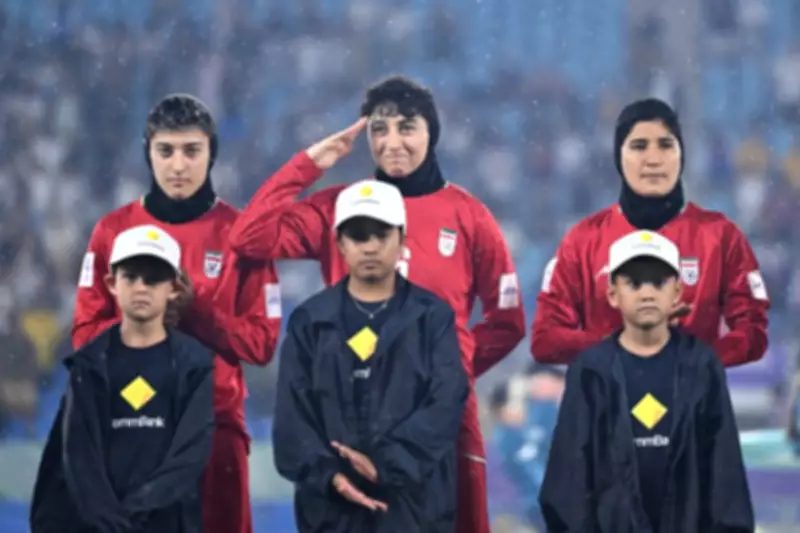
The Iranian women's national football team is confronting grave risks upon their return home after a controversial exit from the Women's Asian Cup in Australia. Reports indicate that players could face imprisonment or even death under Iran's strict political regime, following their 2-0 defeat to the Philippines and their refusal to sing the national anthem.
International Outcry and Calls for Protection
Foreign Minister Penny Wong of Australia has publicly expressed solidarity with the team, emphasizing the country's moral responsibility as tournament host. A petition on Change.org, garnering thousands of signatures, urges the Australian government to provide urgent protection for the players, who are caught in an "impossible situation"—returning to Iran where they are labeled traitors or risking harm to their families if they seek asylum.
The petition highlights credible concerns:
- Players remained silent during the Iranian national anthem in their opening match.
- Regime-connected personnel are embedded within the delegation, restricting players' movements and communications.
- Players were forced to sign bail agreements promising not to seek asylum in Australia.
Regime Pressure and Past Tragedies
According to Iran International TV journalist Raha Pourbakhsh, the team has been under duress, with threats to end their careers and impose jail time. Players' phones have been tapped, and they were instructed to show joy during matches to project normalcy. This situation is compounded by past violence, including the killing of national player Zahra Azadpour and referee Sabha Rashtian during protests in Iran.
Sources close to the team reveal that seeking asylum is not a viable option for most players due to threats against their families in Iran. The Australian government faces mounting pressure to ensure players can seek protection safely and privately, without interference from Iranian officials.
As the international community watches, the fate of these athletes underscores broader human rights issues in Iran, with sport becoming a flashpoint for political oppression and global solidarity efforts.