Italian Football Federation President Steps Down Following World Cup Qualification Failure
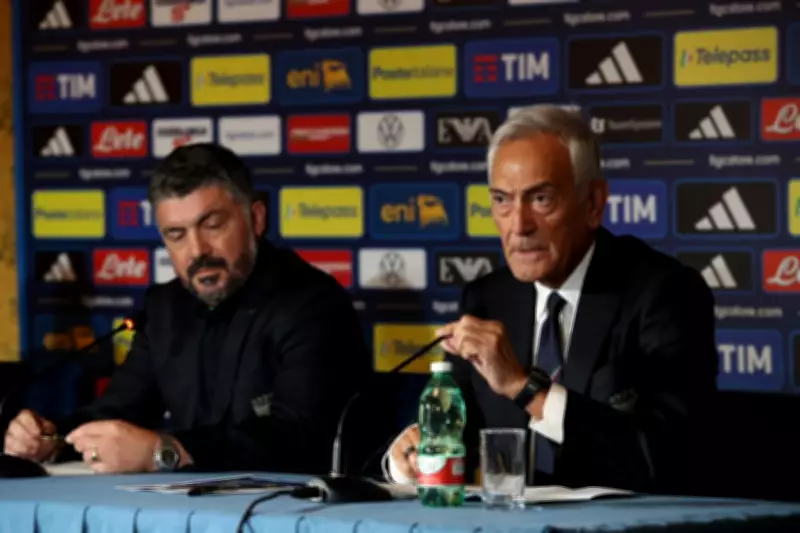
Gabriele Gravina has officially resigned from his position as president of the Italian Football Federation (FIGC) in the wake of Italy's failure to secure a spot in the World Cup for a third consecutive tournament cycle. This decision was confirmed after an emergency meeting of the FIGC general council, which was convened following Italy's play-off final defeat to Bosnia and Herzegovina on Tuesday. The federation has scheduled an election for June 22 to appoint Gravina's successor, marking a significant leadership change in Italian football.
Gravina's Tenure and the World Cup Qualification Failures
Gravina had been at the helm of the federation since October 2018, a period that included Italy's memorable triumph at Euro 2020. However, his tenure was also overshadowed by repeated failures to qualify for the World Cup, including the 2022 and 2026 editions. It is important to note that Italy had also missed out on the 2018 tournament before Gravina took office, highlighting a broader pattern of qualification struggles for the national team.
During his time in charge, Gravina oversaw key appointments in the national team's coaching staff, including the hiring of Luciano Spalletti as head coach in 2023 and Gennaro Gattuso in 2025. Despite these efforts, the inability to secure World Cup berths led to mounting pressure from both fans and officials, ultimately culminating in his resignation.
Emergency Meeting and Reactions from Italian Football Figures
The emergency meeting was attended by senior figures from across Italian football, demonstrating the widespread concern over the national team's performance. Attendees included Serie A president Ezio Simonelli, Serie B president Paolo Bedin, Serie C president Matteo Marani, amateur league president Giancarlo Abete, players' association head Umberto Calcagno, and coaches' association representative Renzo Ulivieri. Their presence underscored the collective desire for change and renewal within the federation.
Italy's Minister for Sport, Andrea Abodi, commented on the situation, stating, "It's evident that Italian football needs to be rebuilt, and this process must start with a renewal of the FIGC leadership." This statement reflects the broader sentiment that structural changes are necessary to address the ongoing challenges facing Italian football.
Future Leadership and Potential Successors
With Gravina's resignation, attention is now shifting to potential successors who could lead the FIGC into a new era. Early names linked to the role include former CONI president Giovanni Malago, alongside Giancarlo Abete and Matteo Marani. The upcoming election on June 22 will be a critical moment for Italian football, as it seeks to rebuild and restore its competitive edge on the international stage.
The resignation marks a pivotal moment in Italian football history, highlighting the need for strategic reforms and fresh leadership to overcome the qualification hurdles that have plagued the national team in recent years.