CAF President Motsepe Arrives in Senegal for High-Stakes Diplomatic Visit
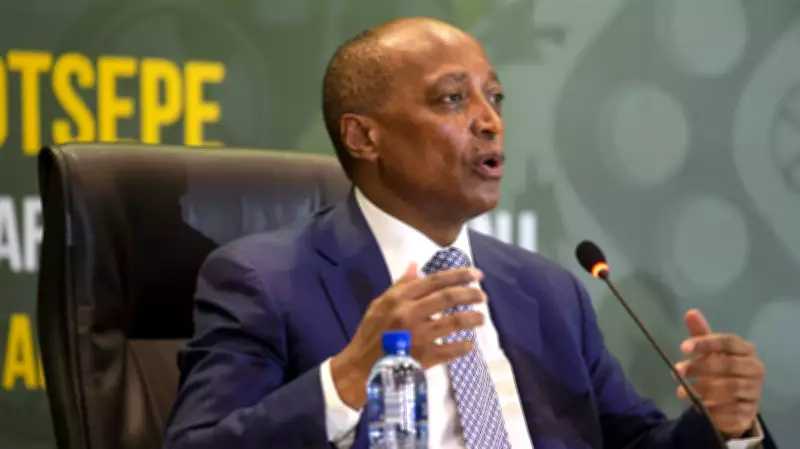
Patrice Motsepe, the President of the Confederation of African Football (CAF), is scheduled to land in Senegal today for a visit that carries significant diplomatic weight, as reported by insideworldfootball.com. While Motsepe has framed the trip as an effort to strengthen ties with one of Africa's premier football nations, the underlying context revolves around the contentious aftermath of the 2025 Africa Cup of Nations (AFCON) final.
High-Level Meetings and Unresolved Tensions
Upon arrival in Dakar, Motsepe will be received by Senegal's President, Bassirou Diomaye Faye, before engaging in discussions with Abdoulaye Fall, the head of the Senegalese Football Federation (FSF). The agenda is expected to cover a broad range of topics, including infrastructure projects and development initiatives. However, the elephant in the room remains the 2025 AFCON final, which took place nearly three months ago and has since sparked a major controversy.
CAF officially stripped Senegal of the AFCON title after an appeals process, awarding Morocco a 3-0 victory instead. This decision followed Senegal's temporary abandonment of the match in protest of a stoppage-time penalty call, a move that was later reversed after intervention by star player Sadio Mane. The match concluded with an extra-time win for Senegal, thanks to a powerful goal from Pape Gueye, but CAF's ruling has left deep scars in Senegalese football circles.
Senegal's Defiant Stance and Diplomatic Implications
The FSF has formally appealed the decision to the Court of Arbitration for Sport and is currently awaiting the outcome. In a bold display of defiance, Senegal paraded the AFCON trophy at the Parc des Princes ahead of a friendly match against Peru, signaling their unwavering belief that the issue is far from resolved. This act has added a layer of complexity to Motsepe's visit, as Senegal's influence in African football, both competitively and politically, makes them a force to be reckoned with.
Motsepe, known for his diplomatic approach during his tenure, faces a delicate balancing act. The FSF is not merely another member association; its stature demands careful navigation. Abdoulaye Fall has extended a warm welcome, emphasizing Senegal's tradition of Teranga, which translates to hospitality, and assuring that Motsepe will be treated as if in his own country. Whether this gesture will help soothe tensions or merely keep the dialogue open remains to be seen.
As the visit unfolds, observers will be keenly watching to see if it leads to a cooling of relations or perpetuates the ongoing discourse. The outcome could have lasting implications for football diplomacy in Africa, highlighting the intricate interplay between sport, politics, and national pride.