American coach Randy Waldrum has thrown the Nigeria Football Federation into turmoil with explosive allegations about missing $960,000 FIFA World Cup preparation funds, raising serious questions about financial transparency in Nigerian football administration.
Waldrum's Shocking Allegations
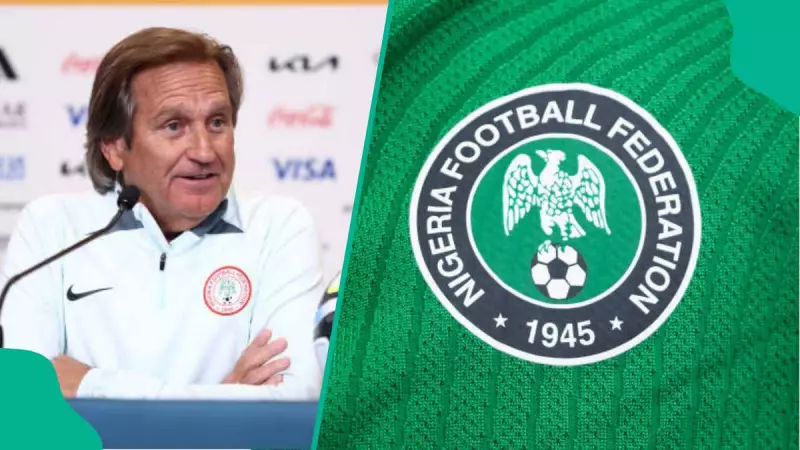
Former Super Falcons head coach Randy Waldrum has publicly questioned the NFF's handling of substantial FIFA funding intended for Nigeria's preparation for the 2023 Women's World Cup. The American tactician revealed that FIFA allocated $960,000 (approximately NGN1.4 billion) to Nigeria in October 2022 specifically to prepare the national women's team for the tournament in Australia and New Zealand.
Despite receiving this significant financial injection, Waldrum claims the football federation failed to organize proper training camps and could not provide business-class travel for players as intended. "If Nigeria got that money why didn't we have a camp in November? We went to Japan, we played the game, and went home," Waldrum stated in a viral video that has sparked widespread concern.
Restricted Resources and Inadequate Preparation
The coaching situation revealed even deeper issues within the preparation structure. Waldrum disclosed that he was limited to working with only seven staff members, despite FIFA regulations allowing technical teams of up to 22 personnel with fully funded bonuses from the world football governing body.
"I don't even have an analyst or scout. Everything I have to do is on videos and what I can pick up online," the frustrated coach lamented. This severe limitation put Nigeria at a significant disadvantage compared to other teams who had real-time scouts monitoring opponents and comprehensive analytical support.
Broader Pattern of Financial Concerns
This latest scandal emerges against a backdrop of persistent financial controversies within Nigerian football. The allegations surface barely weeks after the NFF faced accusations of misappropriating funds meant for constructing a football pitch in Minna, Niger State.
The timing is particularly sensitive given that the Super Eagles had previously protested before World Cup play-off finals in Morocco, demanding unpaid bonuses after years of alleged neglect from the football administration body.
Waldrum contrasted the situation with standards in the United States, noting that "corruption in Nigeria often goes unquestioned" compared to American sports administration where transparency is rigorously enforced and scrutinized.
Performance Despite Obstacles
Remarkably, despite these significant preparation challenges and alleged financial mismanagement, the Super Falcons demonstrated exceptional resilience by advancing to the Round of 16 in the tournament. Their campaign ended only after a hard-fought penalty shootout loss to England, showcasing the team's potential when properly supported.
The situation has reignited debates about governance and accountability within the NFF, with many stakeholders calling for thorough investigations into how the World Cup preparation funds were utilized.
As pressure mounts on Nigerian football authorities to provide answers about the missing $960,000, this scandal highlights the urgent need for financial oversight reforms to ensure future national team campaigns receive the support they deserve from allocated resources.