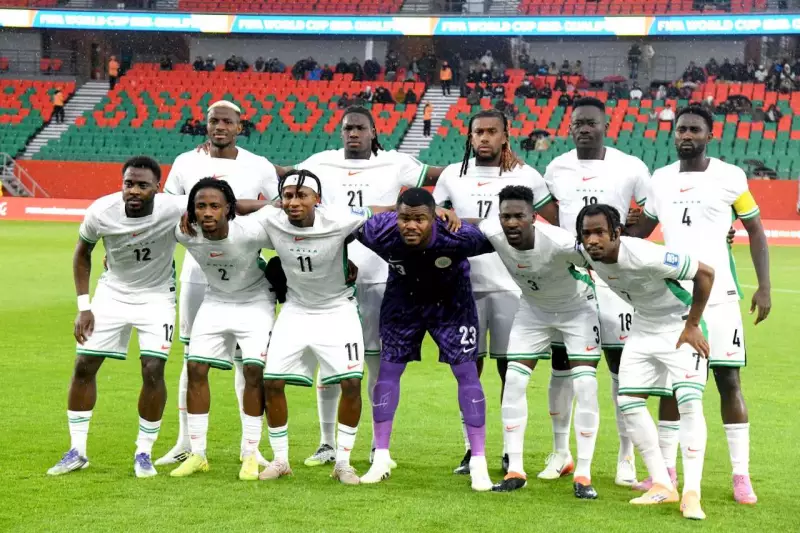
The painful failure of Nigeria's Super Eagles to qualify for the 2026 FIFA World Cup, marking a second consecutive absence from the global showpiece, serves as a brutal wake-up call. The nation must now undertake a fundamental reset of its football structure to avoid a repeat of this debacle in the future.
Administrative Collapse and Player Strike in Morocco
While players have borne much criticism for their strike action just two days before the African playoff in Morocco, the root cause lies in systemic administrative failure. The Nigerian Football Federation (NFF) must accept full responsibility for the chaos that defined the campaign. The players' refusal to train stemmed from unresolved grievances, including unpaid allowances dating back to 2019 and other broken promises. These issues, which should have been settled long before the team assembled, crippled preparations.
The strike had direct sporting consequences. The Eagles had only one day of proper training before their first playoff match against Gabon, which they won after 120 gruelling minutes. This lack of preparation haunted them in the final, where a visibly exhausted team lost to a more composed Democratic Republic of Congo (DRC) after another extended match.
A Qualification Campaign Marred by Ineptitude
Nigeria's path to this playoff was itself a story of underperformance. Drawn in what was considered a favourable Group C with Rwanda, Lesotho, Zimbabwe, South Africa, and Benin Republic, the Super Eagles, Africa's fifth-ranked team at the time, faltered badly. They managed only three points from their first four games, with shocking home draws against Rwanda and Zimbabwe, and a historic defeat to Benin Republic in Abidjan.
Managerial instability exacerbated the problems. The NFF's prolonged delay in appointing a substantive coach after sacking Jose Peseiro, and the subsequent drama around hiring and then replacing Finidi George, left the team divided and lacking direction. Although Eric Chelle later brought stability, the team was already in a desperate race against time.
Indiscipline was rampant, with players arriving at camp at will, facing no repercussions from a federation that failed to enforce basic rules. This was reflected in a pattern of poor performance in initial group games, often played at home, with slightly better showings away after longer preparation periods.
The Cost of Failure and the Path Forward
Missing a second straight World Cup carries severe repercussions. It denies a generation of talented players the pinnacle of their careers and inflicts economic losses on individuals and businesses that thrive on World Cup-related commerce. It also tarnishes Nigeria's reputation as a football powerhouse, unable to qualify despite an expanded format offering nine direct slots for Africa.
The events in Morocco mirrored Ghana's pre-Qatar 2022 failure, proving the NFF learned no lessons. It is alarming that player allowances remained unpaid despite reported billions of Naira budgeted for the qualifiers, pointing to profound mismanagement or corruption.
The solution is clear: a total overhaul of the NFF. Incompetent and corrupt officials whose greed has stifled progress must be removed. The National Sports Commission must also ensure accountability. Blaming supernatural forces for this failure is a pathetic diversion from the glaring man-made problems. The time for excuses is over; the time for decisive, structural reform is now.