Trump Signs Executive Order to Regulate College Sports, Imposes Five-Year Eligibility Limit
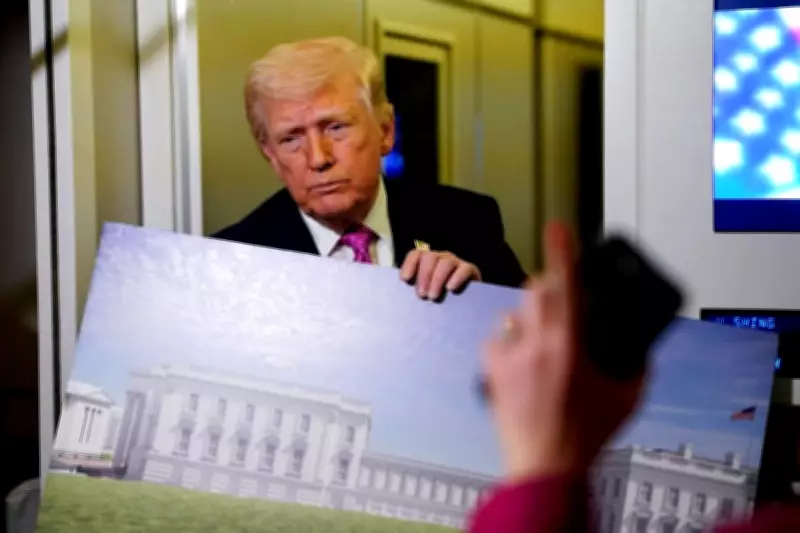
In a significant move to overhaul the landscape of collegiate athletics, US President Donald Trump has signed a new executive order aimed at tightening regulations around college sports. This action comes in response to recent changes that have allowed student-athletes to earn money, which the administration argues has created financial instability.
Key Provisions of the Executive Order
The order directs the National Collegiate Athletic Association (NCAA) to implement several critical measures. Firstly, it introduces a limit on how long athletes can compete, stipulating that they should be eligible to play for no more than a five-year period. This cap is designed to address concerns over extended eligibility and its impact on university resources.
Additionally, the order calls for new transfer rules, allowing student-athletes to switch schools once without being required to sit out a season before graduating. This provision aims to provide greater flexibility for athletes while maintaining academic progress.
Enforcement and Compliance
The measures are set to take effect from August 1, with institutions that fail to comply potentially facing the loss of federal funding. This enforcement mechanism underscores the administration's commitment to ensuring adherence to the new regulations.
President Trump emphasized that the current system has led to growing financial pressure on universities. He argued that a lack of consistent regulation has caused instability, stating, "The loosening of consistent rules or limits concerning eligibility, transfers, and pay-for-play schemes has created an out-of-control financial arms race… that is driving universities into debt."
Broader Regulatory Efforts
The executive order also urges governing bodies to crack down on what it describes as "improper" financial arrangements and calls on Congress to introduce legislation to address the issue more broadly. This follows a previous order signed in July that sought to restrict certain third-party payments to athletes, particularly in high-revenue sports such as football and men's basketball, in an effort to protect funding for women's and less profitable sports.
Trump has previously raised concerns about the increasing value of name, image, and likeness (NIL) deals, warning that they are placing strain on college athletic programmes. He cautioned that this could lead to cuts in sports that have traditionally contributed to US Olympic success.
Context and Background
These changes come after a 2021 Supreme Court ruling that allowed college athletes to receive compensation, ending the NCAA's long-standing ban on payments tied to their name, image, and likeness. The executive order represents a response to the evolving dynamics in college sports, aiming to balance athlete opportunities with financial sustainability for institutions.
By implementing these regulations, the administration seeks to create a more stable and equitable environment for collegiate athletics, addressing both the economic challenges faced by universities and the rights of student-athletes.