Organising the FIFA World Cup is a monumental task, but the 2026 edition, set to be hosted by the United States, Mexico, and Canada, faces unprecedented political complications. With the tournament just six months away, the mercurial leadership of US President Donald Trump is creating significant friction, infuriating co-hosts, threatening to relocate matches, and imposing strict visa rules that could affect hundreds of thousands of travelling fans.
Travel Restrictions and Visa 'Vetting' Cause Uncertainty
The United States is set to stage 82 of the tournament's 104 games, expecting a massive influx of international supporters. However, they will enter a nation where President Trump has made stringent anti-immigration policies a cornerstone of his second term. Following an incident where an Afghan national allegedly shot two National Guard members near the White House, Trump announced plans to "permanently pause migration from all Third World Countries."
As a result, nineteen countries, including World Cup participants Haiti and Iran, have faced US travel restrictions since June. Iran initially threatened to boycott the World Cup draw in Washington after the US refused visas for several delegation members, though it later rescinded that threat.
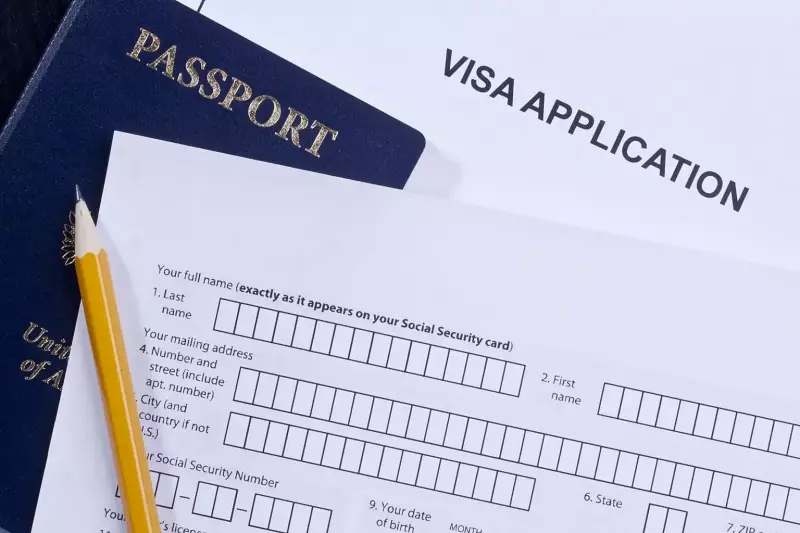
In response to concerns, a special fast-track visa process for World Cup ticket holders was unveiled. While this promises priority appointments, US Secretary of State Marco Rubio issued a stark warning: "Your ticket is not a visa. It doesn't guarantee admission to the US." He emphasised that all applicants would still undergo the same rigorous security vetting.
Threats to Shift Venues and Militarised Cities
Further disrupting plans, President Trump has repeatedly threatened to move matches away from several Democratic-run cities, citing supposed security risks. Key cities with numerous scheduled games are in the crosshairs:
- Los Angeles (8 games)
- Boston (7 games)
- San Francisco (6 games)
- Seattle (6 games)
Relocating games would be an organisational nightmare for FIFA and a disaster for fans with locked-in travel plans. Legally, host city contracts can only be terminated for catastrophic events like natural disasters or war, though rescheduling individual matches offers more flexibility.
Adding to the tense atmosphere, Trump has already deployed National Guard troops to many of these same cities over local objections. Simultaneously, aggressive immigration raids in places like Los Angeles have raised tensions and created a climate of fear, particularly within Latino communities. Both the troop deployments and raids could continue throughout the World Cup period.
Strained Relations with Co-Host Nations
The challenges are not confined within US borders. Trump's foreign policy has also strained relations with the tournament's co-hosts, Mexico and Canada. The US president has imposed steep tariffs on certain goods from both neighbours and made inflammatory threats.
He has threatened to annex Canada and has not ruled out potential US airstrikes in Mexico as part of his crackdown on international drug cartels. These heightened geopolitical tensions only deepen the logistical and diplomatic challenges of organising the first-ever World Cup to be co-hosted by three nations, which will also feature a record 48 competing teams.
The combination of internal visa chaos, threats to host cities, and external diplomatic strife paints a picture of a World Cup facing unique political headwinds, setting the stage for a tournament unlike any other.