VAR Audio Exposes Critical Moments in AFCON 2025 Final Controversy
Fresh controversy has erupted in African football as newly reviewed VAR audio recordings from the 2025 Africa Cup of Nations final reveal startling details about the dramatic events that unfolded during the championship match between Senegal and Morocco.
CAF Technical Committee Reviews Critical Evidence
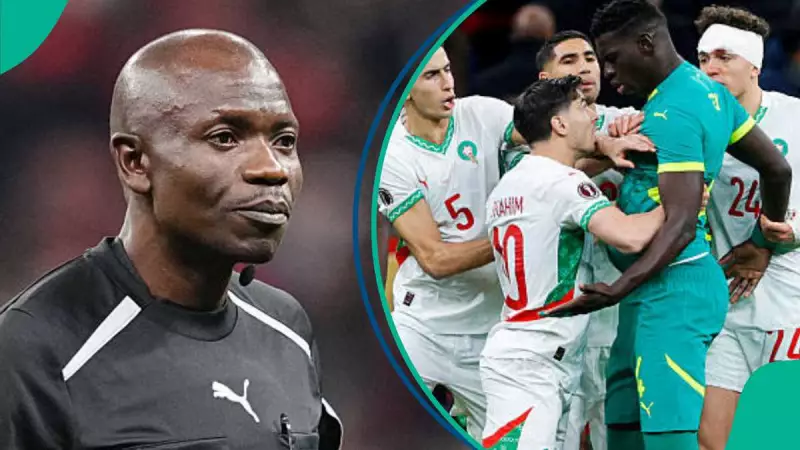
The Confederation of African Football's Technical Committee has reportedly examined audio recordings of communications between center referee Jean Jacques Ndala and the Video Assistant Referee room during the unprecedented 18-minute stoppage that overshadowed the final in Rabat. According to sources familiar with the investigation, these recordings could play a decisive role in CAF's final ruling on the disputed match.
Referee's Alleged Statement Raises Legal Questions
The VAR recordings contain what appears to be a critical moment from the 10th minute of stoppage time. Referee Jean Jacques Ndala is reportedly heard stating: "They've decided to withdraw, I'll end the match." This statement suggests the official had made a definitive decision to conclude the match following Senegal's walk-off protest.
However, the situation took a dramatic turn when Ndala was allegedly instructed through his earpiece by CAF competitions committee officials to delay ending the match and wait for further developments. Legal analysts monitoring the situation believe this instruction could have significant implications for the eventual outcome and Senegal's championship status.
The Controversial Sequence of Events
The incident occurred in the 98th minute of a goalless final when referee Ndala awarded Morocco a penalty after being advised by VAR to review El Hadji Malick Diouf's challenge on Brahim Diaz via the pitchside monitor. This decision sparked immediate chaos inside the stadium as Senegal head coach Pape Thiaw, furious after a Senegal goal had earlier been ruled out, instructed his players to leave the pitch in protest.
While most of the Senegalese team walked off, Al Nassr forward Sadio Mane remained on the field, attempting to convince his teammates to return and finish the match. Following an approximate 17-minute delay, both teams eventually resumed play under immense tension, a decision that has since prompted Morocco to file an official petition with CAF.
Penalty Miss and Senegal's Eventual Victory
When play eventually resumed, Real Madrid star Brahim Diaz stepped up to take the crucial penalty. His attempted Panenka went straight down the middle and was comfortably gathered by Senegal goalkeeper Edouard Mendy. Referee Ndala immediately blew his whistle for full-time, sending the match into extra time.
Villarreal midfielder Pape Gueye then delivered the decisive moment, scoring in the fourth minute of extra time to seal a 1-0 victory and a second AFCON title in five years for the Lions of Teranga. Senegal's triumph, however, has remained under intense scrutiny due to the unprecedented stoppage, walk-off threat, and controversial penalty decision.
Legal Implications and Investigation Status
Legal experts closely monitoring the situation believe the VAR recordings could fundamentally reshape the narrative of one of the most controversial AFCON finals in recent history. If authenticated, the recordings may suggest that the referee had already taken a definitive decision to end the match, raising questions about whether subsequent events were conducted within the official laws of the game.
Sources close to the investigation indicate that the CAF Technical Committee is now entering the final phase of its deliberations. The coming days are expected to be decisive as officials weigh the VAR audio evidence against established competition regulations and football laws.
Related Developments and Apology
In a related development, Senegal head coach Pape Thiaw has reportedly tendered an unreserved apology to CAF over his conduct during the 2025 AFCON final. The former international explained that his emotions got the better of him due to what he described as poor officiating in the closing moments of the tense encounter.
The stakes could not be higher as African football authorities navigate this complex situation. The final ruling could potentially impact not only the championship status but also set important precedents for how similar incidents are handled in future continental competitions.