The aftermath of Nigeria's heartbreaking semi-final exit from the 2025 Africa Cup of Nations has sparked a fiery debate, with a prominent Ghanaian sports journalist offering a controversial perspective that has divided fans.
Ghanaian Analyst Dismisses Referee Excuse
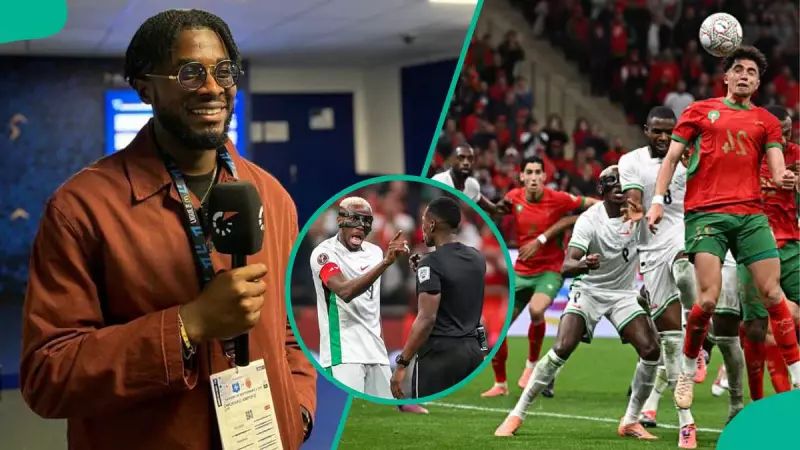
In the wake of the Super Eagles' penalty shootout defeat to host nation Morocco on January 15, 2026, many Nigerian supporters and pundits pointed an accusing finger at the match official, Ghanaian referee Daniel Nii Ayi Laryea. Allegations of biased officiating favoring the Atlas Lions flooded social media and sports discussions.
However, Ghanaian journalist Owuraku Ampofo has strongly challenged this narrative. In a detailed Facebook post published on Thursday, January 15, 2026, Ampofo argued that the referee was not to blame for Nigeria's downfall. Instead, he presented two fundamental footballing reasons for the loss.
The Two Core Reasons for Super Eagles' Defeat
Ampofo's analysis was blunt and focused on the team's performance. "I’m surprised by the reaction to the Daniel Laryea situation," he wrote. "Nigeria didn’t lose because of bad refereeing."
He identified the first critical failure: the Super Eagles' inability to create genuine scoring opportunities during open play. According to the journalist, the Nigerian attack lacked the necessary creativity and cutting edge to break down the Moroccan defense in regular time.
His second point addressed the climax of the match. Ampofo stated that Nigeria "blew their advantage" during the penalty shootout. This suggests that even from the spot, the team failed to capitalize on the pressure situation, ultimately handing the victory to Morocco.
Mixed Reactions from Football Fans
The journalist's remarks, compiled and reported by Legit.ng, ignited a storm of reactions online, revealing a clear split in opinion.
Some users agreed with Ampofo's technical assessment. Frederick Aidoo commented, "I think he got some minor decisions wrong... but generally I think the Nigerians lacked the bite upfront and the stats are there for their reflection." Another user, Gabriel Awumee, pointed out perceived hypocrisy: "These were the same guys that laughed at Algeria for playing zero shots on target but blaming the ref."
However, many Nigerians vehemently disagreed, insisting that poor officiating had a profound psychological impact on the game. Audu Japheth Ojochogwu argued, "I'm sure you know players can be psychologically affected by certain factors, of which poor officiating is one... it affects even their decisions on the field."
Stanley Omolaiye echoed this sentiment, stating, "You want to tell me you didn't see those questionable decisions against Nigeria? Those stop start can actually influence the game mentally." Other reactions, like that from Racheal Oveh, carried a tone of frustration: "May all Ghana and South Africa matches in world cup be officiated the exact way the Nigeria match was officiated yesterday."
Despite Ampofo's defense of the referee's overall performance, it is noteworthy that another Ghanaian journalist had previously listed four specific errors made by Daniel Laryea during the match. These included awarding cheap fouls to Morocco, issuing unnecessary yellow cards to Nigerian players, and failing to sanction Moroccan players for similar offenses.
The debate continues to highlight the intense passion surrounding African football and the different lenses through which a match's outcome is analyzed—whether through the prism of tactical failure or external influence.