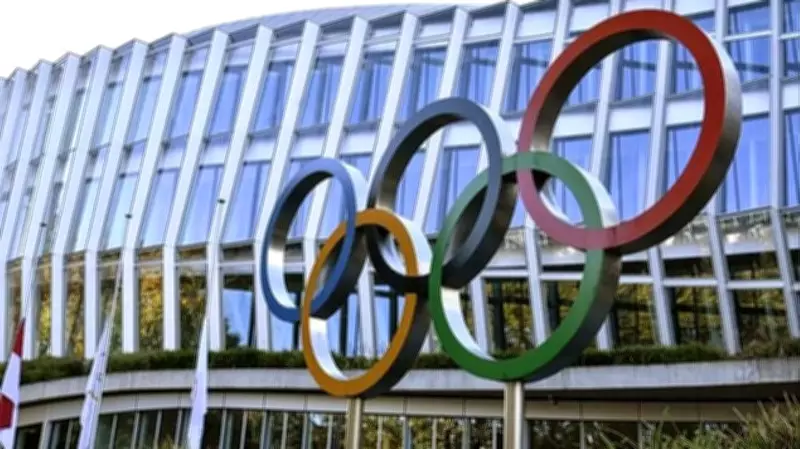
IOC Implements Ban on Transgender Women in Olympic Women's Competitions
The International Olympic Committee (IOC) has officially barred transgender women from participating in women's categories at the Olympic Games, following the approval of a new eligibility policy. This decision, announced yesterday, aligns with a decree issued by US President Donald Trump regarding sports ahead of the 2028 Los Angeles Olympic Games. The policy marks a significant shift in the IOC's approach to gender inclusion in elite athletics.
New Eligibility Criteria Based on Biological Sex
Under the new rules, eligibility for any women's category at the Olympic Games or other IOC-sanctioned events, including both individual and team sports, is now restricted to biological women. This determination will be made through a one-time SRY gene test, which assesses genetic markers related to sex development. The IOC stated that this policy aims to "protect fairness, safety, and integrity in the women's category," emphasizing that it will take effect from the Los Angeles Olympic Games in July 2028.
It remains unclear how many transgender women currently compete at the Olympic level, if any. Notably, no woman who transitioned after being born male participated in the 2024 Summer Olympics in Paris. However, weightlifter Laurel Hubbard, a transgender woman, competed at the 2021 Tokyo Olympics without winning a medal, highlighting previous instances of inclusion under older guidelines.
Scope and Exceptions of the Policy
The IOC clarified that the policy is not retroactive and does not apply to mass or amateur sports programs. This distinction acknowledges the IOC's charter, which proclaims access to sports as a human right, while focusing the restrictions on elite competitions. Following an executive board meeting, the IOC released a comprehensive 10-page policy document that also addresses the participation of female athletes with differences in sex development (DSD), such as two-time Olympic runner Caster Semenya.
IOC President Kirsty Coventry, a two-time Olympic swimming champion, spearheaded the review of this policy as one of her first major decisions after becoming the first woman to head the IOC in its 132-year history last June. She stated, "At the Olympic Games, even the smallest difference can determine victory or defeat. Therefore, it is absolutely clear that it would be unfair for biological males to compete in the women's category." The move replaces the previous practice of providing recommendations to sports federations, which then developed their own rules, with a unified and clear policy.
Implications for Future Olympic Games
This policy change is expected to have far-reaching implications for gender diversity in sports, particularly as the 2028 Los Angeles Games approach. By aligning with Trump's decree, the IOC has positioned itself at the center of global debates on transgender rights and athletic fairness. The decision underscores the ongoing tension between inclusion and competitive integrity in international sports, setting a precedent that may influence other sporting bodies worldwide.
As the IOC moves forward with this new framework, stakeholders, including athletes, federations, and human rights organizations, are likely to scrutinize its implementation and impact on the Olympic movement. The policy reflects a broader trend toward stricter regulations in women's sports, balancing biological considerations with the principles of equality and access.