
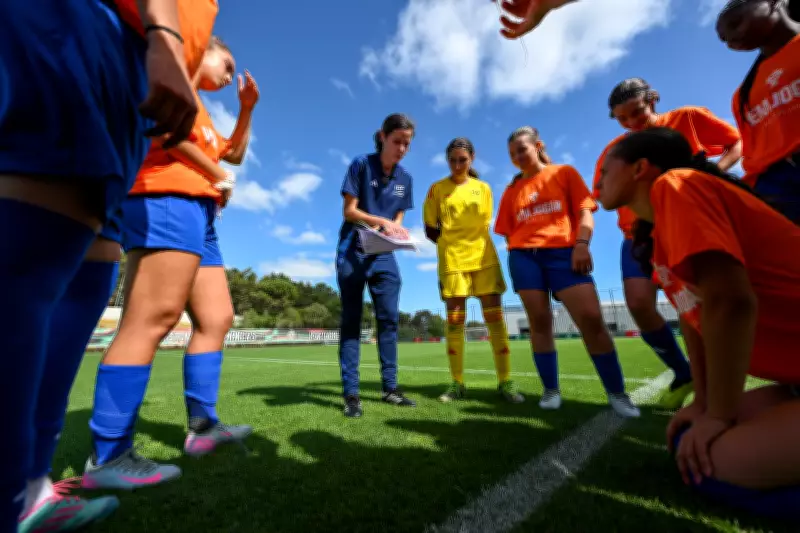
FIFA Implements Mandatory Female Coach Requirement for Women's Football Teams
In a landmark move for gender equality in sports, FIFA has announced sweeping new regulations that will require every team participating in its women's football tournaments to include at least one female head coach or assistant coach. This groundbreaking policy represents a significant step toward increasing female representation in coaching roles across the sport.
New Regulations and Implementation Timeline
The rule, which received formal approval from the FIFA Council, will take immediate effect starting with this year's under-17 and under-20 Women's World Cup competitions, as well as the Women's Champions Cup. The mandate will apply comprehensively across both youth and senior-level competitions, encompassing both club teams and international squads participating in FIFA-sanctioned events.
Under the detailed policy framework, each competing team must maintain at least two female staff members on the bench during all matches, with one of these individuals specifically serving in either a head coach or assistant coach capacity. This structural requirement ensures that female coaching talent receives both visibility and direct involvement in match-day decision-making processes.
Addressing the Coaching Gender Gap
FIFA's chief football officer, Jill Ellis, emphasized that this initiative directly targets the persistent shortage of women in football coaching positions. "The current reality is that there are simply not enough women occupying coaching roles in football today," Ellis stated. "We must implement more aggressive measures to accelerate meaningful change by establishing clearer career pathways, expanding professional opportunities, and significantly increasing the visibility of women on our sidelines during major competitions."
Ellis further explained that "these new FIFA regulations, when combined with our targeted development programs, represent a crucial investment in both the current generation and future generations of female football coaches. We are creating structural conditions that will enable more women to reach the highest levels of the sport."
Context and Current Coaching Landscape
The policy implementation comes amid growing concerns about persistent gender imbalances in football coaching. During the 2023 Women's World Cup tournament, only 12 of the 32 participating teams featured female head coaches, with England manager Sarina Wiegman being among the most prominent examples. FIFA leadership hopes this mandatory requirement will substantially boost female representation ahead of upcoming competitions, including the highly anticipated 2027 Women's World Cup scheduled to take place in Brazil.
Several high-profile female coaches are already demonstrating excellence at football's highest levels. Emma Hayes currently manages the United States women's national team alongside assistant coach Denise Reddy. Other English coaches making significant international impacts include Gemma Grainger with Norway's national team, Casey Stoney with Canada's squad, and Carla Ward with the Republic of Ireland's team.
Support from Leading Coaches
Sarina Wiegman, who has guided England to consecutive European championship titles while earning multiple FIFA Best Women's Coach awards, has publicly advocated for greater gender balance in coaching. "What we ultimately hope to achieve is increased representation of female coaches at the elite level," Wiegman commented. "The current balance needs improvement, and while male coaches remain welcome in women's football, achieving better gender representation will hopefully inspire more women to pursue coaching careers at all levels of the sport."
This regulatory shift represents one of the most substantial institutional interventions aimed at addressing gender disparities in football coaching. By establishing mandatory requirements rather than voluntary guidelines, FIFA is creating structural incentives for national federations and clubs to actively develop and promote female coaching talent throughout their organizations.