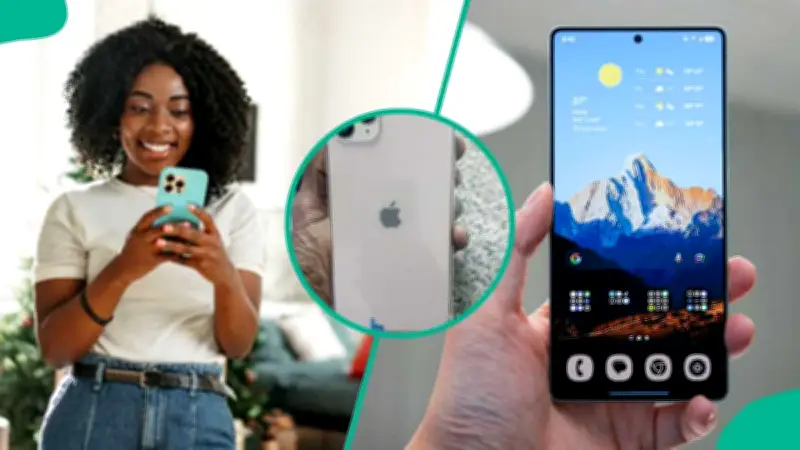
The iPhone revolutionized the smartphone industry and helped shape the modern mobile experience. Over the years, Apple has built one of the most successful and recognizable smartphone brands in the world. However, popularity does not always guarantee satisfaction. While millions remain loyal to iPhones, an increasing number of users are moving to Android devices in search of greater flexibility, better value, and features they feel are missing from Apple's ecosystem. Based on feedback from former iPhone users and discussions across technology communities, these are some of the main reasons people are making the switch.
1. Greater Freedom to Customize
Apple has improved customization options in recent years by introducing widgets and customizable lock screens. Despite these changes, iOS still limits how much users can personalize their devices. Android offers far more control. Users can change launchers, fonts, themes, icons, animations, and even the overall look of the operating system. Features such as Android's Material You allow the phone's appearance to automatically adapt to a user's wallpaper, creating a more personalized experience.
2. More Options for Every Budget
One of the biggest drawbacks of the iPhone is its price. New iPhones often cost hundreds of dollars, making them less accessible to budget-conscious buyers. Android, on the other hand, caters to virtually every price range. Affordable smartphones can be purchased for under $100, while mid-range models offer many premium features at a fraction of flagship prices. Popular options include the Samsung Galaxy A57, Google Pixel 10a, and Moto G Play.

3. Better Keyboard Experience
Many iPhone users complain about the default keyboard, citing issues such as inaccurate autocorrect, inconsistent swipe typing, and inconvenient punctuation placement. Although third-party keyboards like Gboard and SwiftKey are available on iOS, they generally work more seamlessly on Android. For heavy texters and frequent typists, Android often provides a smoother experience.
4. Preference for Physical SIM Cards
Apple's recent iPhone models sold in the United States rely entirely on eSIM technology, eliminating the physical SIM card tray. While eSIM offers convenience and security benefits, some users—especially frequent travelers—prefer traditional SIM cards because they are easier to swap when using local mobile networks abroad. As a result, many continue to choose Android phones that still include physical SIM slots.
5. Expandable Storage and Headphone Jacks
Apple removed the headphone jack years ago and has never offered expandable storage on its iPhones. Several Android manufacturers continue to support these features. Some devices still include a 3.5mm headphone jack, while others offer microSD card slots that allow users to increase storage capacity without paying for cloud services or higher-priced models.
6. Easier App Installation
Installing apps from outside Apple's App Store can be difficult in many regions. Users often need to follow complicated procedures to sideload software. Android takes a more open approach, allowing users to download and install apps directly from websites or alternative app stores. Although Google has introduced additional security measures, Android remains the more flexible platform for users who want greater control over app installation.
7. A Universal Back Button
Navigation is another area where some users prefer Android. On iPhones, going back often depends on app-specific buttons or swipe gestures that may not work consistently across all applications. Android offers a system-wide back function that works throughout the operating system, making navigation more predictable and convenient.
8. More Innovative Hardware Choices
Apple's smartphone lineup largely follows the same design formula each year. While improvements are introduced regularly, users have limited hardware choices. Android manufacturers experiment with a wide range of designs and features. Consumers can choose from foldable phones, flip phones, stylus-equipped devices, gaming-focused smartphones, and other specialized models that cater to different needs and preferences.

Conclusion
The iPhone remains one of the most popular smartphones in the world, but many users are discovering advantages in the Android ecosystem. From deeper customization and lower prices to innovative hardware and greater flexibility, Android offers features that appeal to consumers looking for more control over their mobile experience. As competition between the two platforms continues, users now have more choices than ever before.