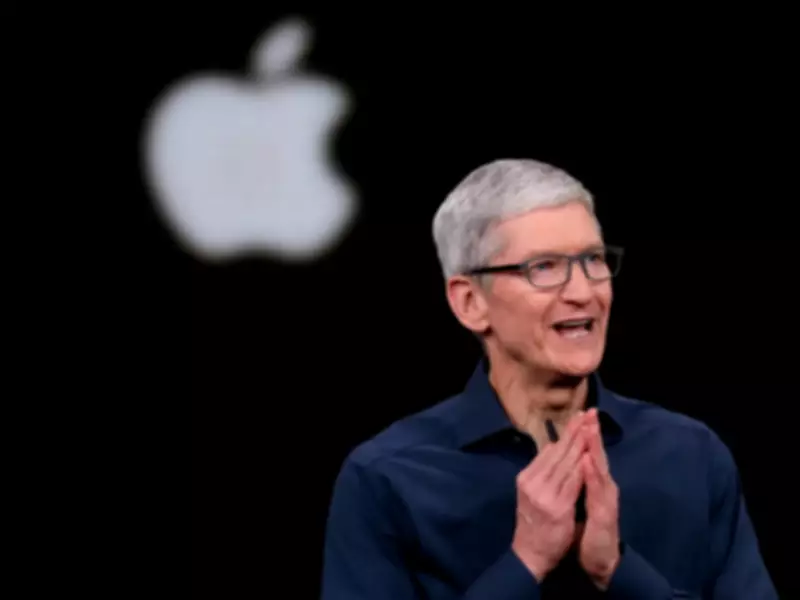
Apple CEO Tim Cook Urges Users to Put Down Phones and Embrace Nature
In a surprising turn of events, Apple CEO Tim Cook has issued a heartfelt plea to smartphone users worldwide. During a recent interview with Good Morning America's Michael Strahan, the 65-year-old executive emphasized the importance of stepping away from digital devices and reconnecting with the natural world.
A Call to Action from the Tech Giant's Leader
Cook, who leads one of the world's most influential technology companies, openly expressed his concerns about excessive smartphone usage. "I don't want people using them too much," he stated regarding Apple's own products. "I don't want people looking at the smartphone more than they're looking in someone's eyes; as if they're scrolling endlessly."
He further elaborated on his perspective, suggesting that constant screen engagement is not an ideal way to spend one's day. "This is not how you want to spend your day. Go out and spend it in nature," Cook advised, encouraging users to prioritize real-world experiences over digital interactions.

Broader Context and Company Initiatives
The interview covered multiple facets of Apple's operations and philosophy. Cook reflected on the company's 50-year legacy, discussed the impact of recent tariffs on global trade, and highlighted Apple's expanded contributions to school music programs through its partnership with Save The Music.
However, his comments about smartphone usage stood out as particularly noteworthy, coming from the head of a company that has revolutionized mobile technology. This advice aligns with growing concerns about digital wellness and the psychological effects of constant connectivity.
Scientific Support for Cook's Concerns
A recent study published in Frontiers in Psychiatry provides scientific backing for Cook's warnings. The research acknowledges that while smartphones have become "an integral part of life" for many people, excessive use carries significant negative consequences.
The authors detailed several concerning effects: "Excessive use of smartphones can cause not only physical discomfort but also feelings of loneliness, anxiety, and depression." This research underscores the importance of balanced technology use and supports Cook's advocacy for more time spent in nature and face-to-face interactions.
The Paradox of Technology Leadership
Cook's remarks present an interesting paradox: the leader of a company that profits from smartphone sales is actively encouraging moderation in their use. This stance reflects a broader trend in the tech industry, where executives are increasingly acknowledging the need for digital balance and responsible technology consumption.
As smartphones continue to dominate daily life, Cook's message serves as a timely reminder about the importance of maintaining human connections and experiencing the physical world beyond our screens.