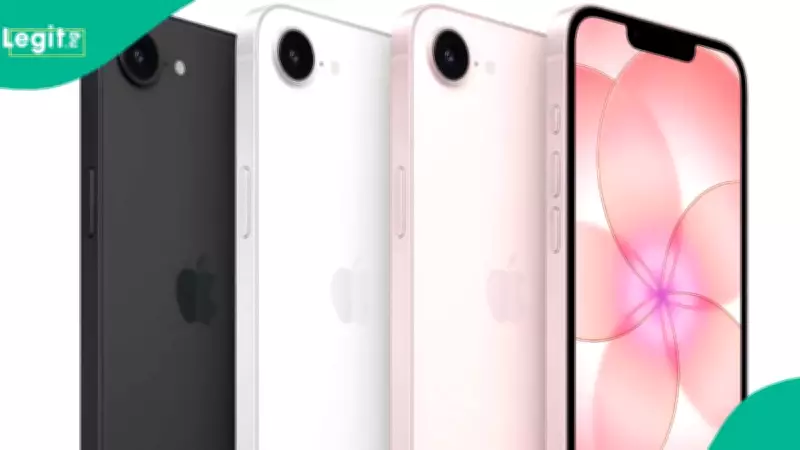
Apple Launches iPhone 17e and iPad Air M4 with Focus on Accessible Intelligence
In March 2026, Apple Inc. has initiated a significant hardware refresh, moving away from its traditional single keynote to a multi-day release strategy. The updates, shared through coordinated press briefings and product videos, emphasize the theme of "Accessible Intelligence," bringing advanced AI-powered features from premium Pro models into more affordable devices. This shift is particularly relevant for buyers in Nigeria and across Africa, where cost-effective options like the "e" series are highly popular.
iPhone 17e: Enhanced Performance and Familiar Design
The headline announcement is the launch of the iPhone 17e, powered by Apple's new A19 chip built on a 3nm process. Apple claims this chip delivers up to twice the performance of the iPhone 11, with a redesigned 16-core Neural Engine optimized for generative AI tasks. The device retains a 6.1-inch Super Retina XDR OLED display at 60Hz and the notch, but improves durability with Ceramic Shield 2 and an IP68 rating.
Key upgrades include:

- 48MP Fusion rear camera with 2x optical-quality telephoto
- 26-hour video playback battery life
- Wi-Fi 7, Bluetooth 6, and USB-C MagSafe support for the first time on an "e" model
- Inclusion of an Action button
- Base storage doubled to 256GB
Globally, pricing starts at $599 for 256GB and $799 for 512GB. In Nigeria, retail prices are estimated to range between ₦1.5 million and ₦1.7 million at authorized stores. Pre-orders open on March 4, with availability beginning March 11, 2026.
iPad Air M4: Significant Performance Leap
The new iPad Air skips the M3 chip entirely, jumping straight to the M4 processor. Apple reports up to 30% faster multi-core performance compared to the previous generation and over twice the speed of M1-based models. With 12GB of unified memory and a faster 16-core Neural Engine, this tablet is positioned as a serious tool for AI and creative work, supporting features like Image Wand and Clean Up tools.
Highlights include:
- 11-inch and 13-inch Liquid Retina display options
- Wi-Fi 7 and Bluetooth 6 via the new N1 chip
- Landscape-positioned 12MP front camera
- Up to 1TB storage
- Compatibility with Apple Pencil Pro and Magic Keyboard
Global pricing remains unchanged, starting at $599 for the 11-inch Wi-Fi version. In Nigeria, estimates suggest a starting price around ₦1.55 million, with higher configurations exceeding ₦2.2 million.
Additional Updates and Market Impact
Apple's refresh wave also includes updated MacBook Pro models with M5 Pro and M5 Max chips, a lower-cost MacBook powered by an A18 Pro processor, Studio Display 2 with Mini-LED options, and a 12th-generation entry-level iPad running on the A18 chip with 8GB RAM. Across all products, the focus is on stronger performance, expanded AI capability, and higher base storage, without significant price hikes in dollar terms.
For Nigerian buyers, final retail pricing will depend on exchange rates, import duties, and retailer margins. However, this 2026 lineup signals Apple's push to make its AI-driven ecosystem more accessible beyond the ultra-premium segment.
Phase-Out of Older Models and Resale Market Effects
As Apple introduces these new devices, older models are being phased out, which is expected to impact the second-hand market. Recent market data indicates that several older iPhone models could see their resale value decline significantly in 2026, as buyers increasingly demand newer features, longer software support, and better battery performance. Analysts note that devices no longer receiving major updates or security patches are losing appeal among consumers seeking future-proof technology.
This strategic move by Apple underscores its commitment to advancing technology while making it more affordable for markets like Nigeria, potentially reshaping consumer choices and market dynamics in the coming years.