Scientists Reveal March's Red Blood Moon and Three Major Celestial Events
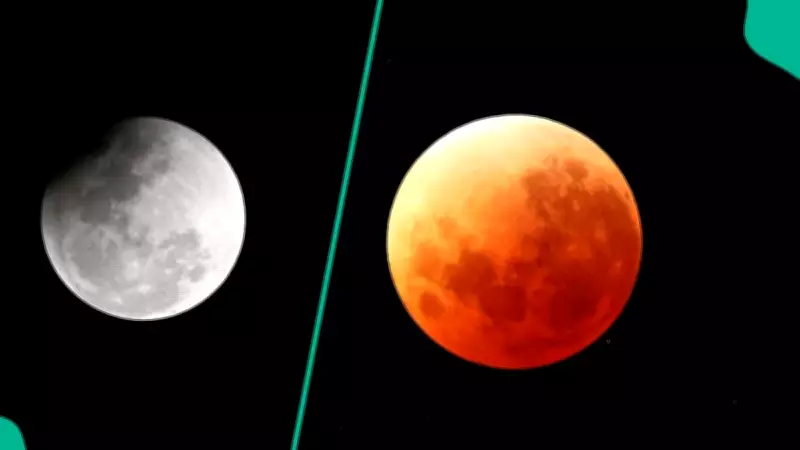
Astronomers are preparing skywatchers for a spectacular celestial event this March, as a total lunar eclipse will transform the full moon into a glowing red orb. This phenomenon, commonly known as a "blood moon," is expected to occur on March 3 and will be visible across eastern Asia, Australia, the Pacific, most of North and Central America, and parts of western South America.
How the Moon Turns Red During the Eclipse
During a total lunar eclipse, the Earth passes directly between the Sun and the Moon, casting its shadow over the lunar surface. Unlike what many imagine, the Moon does not turn completely dark. Instead, Earth's atmosphere bends and scatters sunlight, bathing the Moon in a reddish-orange glow.
"This is a rare alignment where the Sun, Earth, and Moon line up perfectly," explained astronomers tracking the event. "The red colour comes from sunlight filtering through the Earth’s atmosphere and projecting onto the Moon."

Sky enthusiasts are encouraged to watch the eclipse with the naked eye or through binoculars for the full experience, as it offers a stunning visual display without the need for special equipment.
Venus and Saturn Appear Close in the Sky
A few days later, on March 8, skywatchers will be treated to another celestial highlight: a close approach, or conjunction, of Venus and Saturn. The two planets will appear just one degree apart in the evening sky—roughly the width of a finger held at arm’s length.
Despite their proximity from Earth’s perspective, Venus and Saturn remain nearly a billion miles apart in space. The pairing will be visible near the western horizon just after sunset, offering a striking view for amateur and professional astronomers alike.
"Conjunctions like this are always exciting because they give people the sense of planets 'meeting' in the sky, even though they are far apart," said experts from NASA’s planetary observation team.
Vernal Equinox Marks Seasonal Shift
March 20 will bring the vernal equinox, signalling the official start of spring in the northern hemisphere and autumn in the southern hemisphere. On this day, the Sun crosses directly above Earth’s equator, resulting in roughly equal day and night lengths across the globe.
Astronomers emphasise that the equinox is not just symbolic: it represents a moment of astronomical balance and a shift in the Sun’s path relative to Earth.
"The equinox is a reminder of the changing seasons and how our planet’s tilt and orbit shape the rhythm of day and night," said space scientists monitoring seasonal patterns.
Moon Phases to Guide Skywatchers
Throughout March, observers can also track the Moon’s phases, from full moon to waning crescents, providing multiple opportunities for stargazing and astrophotography. This adds to the month's celestial calendar, allowing for regular engagement with the night sky.
With three major sky events converging in one month, March offers both casual and avid skywatchers a rare chance to witness the cosmos in action—from a red-hued lunar spectacle to planetary alignments and seasonal transitions. This combination of events highlights the dynamic nature of our solar system and provides educational and awe-inspiring moments for all.